Introduction
Research shows that 87.8% of dental students proposed overtreatment for simple restorations, while reported cases of disease transmission have been linked to infection control lapses. Choosing the wrong dentist has real consequences: unnecessary procedures, avoidable costs, and delayed treatment of serious conditions.
That's why this guide covers the credentials you must verify, practical selection factors that matter, and red flags that should send you looking elsewhere. Whether you're searching for routine preventive care or specialized treatment, you'll learn how to identify a dentist who prioritizes your health over their bottom line.
Key Takeaways
- Confirm credentials through official databases: DDS/DMD degree, active state license, and ADA membership protect you from unqualified practitioners
- Choose in-network dentists to avoid surprise bills and reduce out-of-pocket costs by 40-60%
- Prioritize practices with preventive care focus, modern technology, and clear communication
- Watch for red flags: aggressive upselling, poor hygiene, hidden costs, and dismissive behavior
- Secure health insurance with dental benefits to make preventive visits and cleanings affordable
What Makes a Good Dentist?
A good dentist combines proper credentials with patient-centered care, transparent communication, and commitment to evidence-based practice. Technical skills alone aren't enough—you need a provider who listens to your concerns, explains treatment options clearly, and respects your role in decision-making.
Look for these key qualities:
- Preventive care focus: Prioritizes regular cleanings, fluoride treatments (every 3-6 months for at-risk patients), and patient education over reactive procedures
- Clear communication: Explains diagnoses and treatment options in plain language, not dental jargon
- Treatment transparency: Provides cost estimates upfront and discusses alternatives before scheduling major procedures
- Evidence-based approach: Recommends treatments supported by current research, not outdated or profit-driven protocols
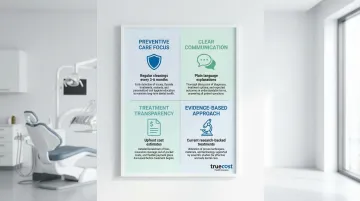
Quality dentists invest time in prevention, helping you avoid costly interventions down the road. Evidence shows this approach reduces emergency visits and keeps long-term dental costs lower.
Personal compatibility matters as much as clinical excellence. If you feel rushed, dismissed, or pressured during appointments, that's not a good fit—regardless of the dentist's credentials. You should feel comfortable asking questions and discussing treatment alternatives without judgment.
Essential Credentials to Verify
DDS and DMD Degrees Are Identical
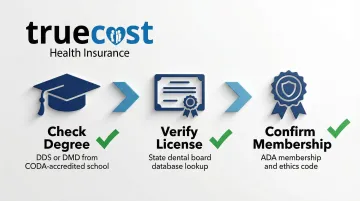
All practicing dentists hold either a Doctor of Dental Surgery (DDS) or Doctor of Dental Medicine (DMD) degree. These credentials are completely equivalent:
- Both require identical CODA-accredited curriculum
- Same clinical training and examination standards
- Universities choose which title to award—the education is the same
Check State Licensure Status
Verify your dentist's license through your state dental board's online database. Every state maintains a searchable directory where you can confirm:
- Current license status and expiration date
- Disciplinary actions or suspensions
- Malpractice claims or ethical violations
For example, California's Dental Board and Ohio's State Dental Board offer free license lookup tools. This takes five minutes and protects you from unlicensed practitioners or those with serious violations.
ADA Membership Signals Ethics Commitment
While voluntary, American Dental Association membership carries weight. ADA members follow a code of ethics that clearly prohibits unnecessary procedures. They must truthfully represent care and fees.
This demonstrates commitment to professional standards beyond legal minimums.
Specialty Certifications for Advanced Care
Need specialized treatment like orthodontics, periodontics, or endodontics? Verify board certification through the appropriate specialty board. Specialists complete additional years of training beyond dental school and must pass rigorous examinations to earn certification.
If you have health insurance covering dental specialists, confirming board certification ensures you're maximizing your benefits with qualified providers.
Continuing Education Matters
Dentistry evolves rapidly with new techniques and technology. Quality dentists participate in ongoing education to stay current. Ask whether your dentist attends continuing education courses or belongs to study clubs focused on advancing clinical skills.
Key Selection Factors When Choosing a Dentist
Beyond credentials, practical considerations and personal fit determine whether a dentist meets your needs. The following factors directly impact your experience, costs, and health outcomes.
Insurance and Cost Considerations
Confirm your dentist accepts your insurance and participates in-network. The cost difference is substantial.
In-network dentists accept contracted rates as payment in full, while out-of-network providers can balance bill you for the difference between their charge and your insurer's allowed amount.
Cost comparison example:
- In-network crown: Provider charges $600 (contracted rate), insurance pays $300, you pay $300 total
- Out-of-network crown: Provider charges $1,200, insurance pays $500 (based on $1,000 allowed amount), you pay $700 total ($500 coinsurance + $200 balance bill)
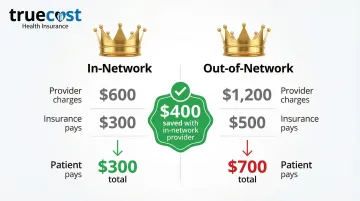
If paying out-of-pocket, ask about self-pay rates and payment plans before treatment begins. Cost transparency should be standard, not something you have to fight for.
Location and Office Hours
Choose a dentist near your home or workplace with hours that fit your schedule. Convenient location increases the likelihood you'll keep preventive appointments. Ask about availability for emergency visits—dental emergencies don't wait for business hours.
Office Environment and Technology
Assess cleanliness, organization, and equipment during your first visit. Modern technology often indicates quality care:
- Digital radiography improves diagnostic accuracy for early caries detection
- Intraoral cameras help you see what the dentist sees
- Electronic health records streamline care coordination
Technology is an assistive tool, not a replacement for clinical judgment. A dentist with excellent diagnostic skills using slightly older equipment often delivers better care than one hiding behind flashy gadgets.
Communication Style and Comfort Level
Find a dentist who listens, explains procedures clearly, and makes you feel comfortable. This is especially critical if you have dental anxiety.
During your first visit, notice whether the dentist:
- Asks about your concerns and health history
- Explains findings in terms you understand
- Discusses treatment options and alternatives
- Respects your questions without appearing rushed
If you feel dismissed or pressured, trust your instincts and look elsewhere.
Patient Reviews and Recommendations
Interpret online reviews critically—they're helpful but unreliable. Research shows only about 5% of patients leave reviews, and 10-30% of online reviews may be fake.
Look for patterns in written comments rather than relying solely on star ratings:
- Multiple mentions of short wait times correlate with higher satisfaction
- Specific details about procedures and outcomes are more credible than generic praise
- Consistent complaints about the same issue deserve attention
Personal recommendations from friends, family, or your primary care doctor often provide more reliable insights than anonymous online reviews.
Emergency Care Policies
Ask how the practice handles after-hours emergencies. Quality practices provide clear instructions for urgent situations and maintain arrangements with on-call dentists or referral services. You shouldn't be left searching for emergency care at midnight with a dental abscess.
Red Flags to Watch Out For
Certain warning signs indicate substandard care or unethical practices. If you encounter these red flags, reconsider the dental practice before committing to treatment.
Aggressive Treatment Recommendations
Be wary of dentists who push extensive, expensive procedures without clear justification. Research documents that overtreatment is common—87.8% of dental students proposed overtreatment for faulty restorations that could be repaired more conservatively.
Warning signs of overtreatment:
- Multiple crowns recommended when you have no symptoms
- Pressure to replace fillings that aren't causing problems
- Treatment plans that seem disproportionate to your condition
- Unwillingness to explain why procedures are necessary
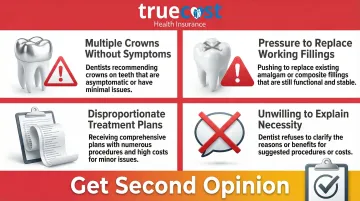
Get a second opinion for any major treatment plan involving multiple procedures or significant cost. Ethical dentists welcome second opinions and provide records without hesitation.
Lack of Cost Transparency
Understanding costs before treatment protects you from surprise bills. Practices should provide treatment cost estimates upfront, including what insurance will cover and your expected out-of-pocket expense.
Vague responses or refusal to discuss costs are serious red flags.
Ask for a detailed written estimate that breaks down procedure codes, fees, and insurance coverage. If the office can't or won't provide this, find another dentist.
Poor Hygiene or Outdated Facilities
Beyond treatment quality and costs, basic safety standards matter. Infection control is non-negotiable.
The CDC requires Standard Precautions in all dental settings, including hand hygiene, personal protective equipment, and heat sterilization of instruments.
Observable indicators of proper infection control:
- Staff wash hands or use alcohol-based sanitizer before touching you
- Gloves, masks, and protective eyewear worn consistently
- Surfaces covered with protective barriers changed between patients
- Clean, organized treatment areas
If you observe hygiene lapses—staff not changing gloves between patients, visibly dirty surfaces, or outdated equipment—leave immediately.
Dismissive Attitude Toward Questions
Dentists who seem rushed, annoyed by questions, or unwilling to explain procedures are not patient-centered. You have the right to understand what's happening in your mouth and why specific treatments are recommended.
Red flag responses include:
- "Just trust me, I'm the expert"
- Irritation when you ask about alternatives
- Refusal to explain procedures in plain language
- Making you feel stupid for asking questions
Quality dentists encourage questions and view patient education as part of their professional responsibility.
No Online Presence or Terrible Reviews
A complete absence of online information combined with no verifiable credentials raises concerns. Look beyond the number of reviews to the nature of complaints.
Consistent patterns of serious complaints—not just occasional negative reviews—deserve attention.
Check state dental board records if online information is sparse. Active licenses with no disciplinary actions provide baseline assurance, even if the practice has minimal web presence.
How TrueCost Group Can Help
Once you've found the right dentist, having health insurance with dental benefits makes care more affordable. TrueCost Group helps Americans access affordable health insurance through ACA marketplace plans and Medicare Advantage options, many of which include dental, vision, and hearing coverage.
Having comprehensive health insurance makes preventive dental care more affordable. Many plans offer benefits like:
- Preventive services (checkups, cleanings) at $0 cost
- Coverage for routine care that catches problems early
- Protection from high out-of-pocket expenses for procedures
TrueCost Group's licensed advisors can help you understand which health plans include dental benefits and connect you with affordable coverage options.
Call 1-888-788-8285 for a free consultation to explore plans that fit your budget and dental care needs.
Conclusion
Finding the right dentist requires research, credential verification, and attention to both clinical quality and personal compatibility. The goal is identifying a long-term dental partner who prioritizes preventive care and patient education, not just someone to fix problems after they develop.
Once you've found the right dentist, having dental coverage makes preventive care more accessible. Many ACA marketplace and Medicare Advantage plans include dental benefits that cover routine checkups and cleanings, removing cost barriers to regular visits.
This investment in both the right provider and appropriate coverage pays dividends in better oral health, lower costs, and peace of mind. Verify credentials through official channels, trust your instincts about communication style and office environment, and don't ignore red flags like aggressive treatment recommendations or poor hygiene standards.
Frequently Asked Questions
What is the best way of finding a good dentist in my area?
Start with your insurance provider's directory to find in-network dentists. Ask friends, family, and your doctor for recommendations, then verify credentials through your state dental board's license lookup tool and the ADA's Find-A-Dentist directory.
How to tell if a dentist is good or not?
Look for proper credentials (DDS/DMD degree, active state license), ADA membership, positive review patterns, and clean facilities. Good dentists prioritize preventive care over expensive treatments. Trust your instincts—if something feels off, it probably is.