Most dental insurance plans don't cover teeth whitening because insurers classify it as a cosmetic procedure rather than a medical necessity.
The distinction comes down to function versus appearance. Insurance companies pay for treatments that restore or maintain oral health, like fillings and root canals. Whitening falls outside that scope.
This leaves you footing the bill unless your policy includes rare cosmetic riders or your dentist can document a medical reason for the treatment. The good news is that exceptions exist, costs vary widely, and knowing where your plan draws the line can save you from surprise bills.
This article breaks down coverage rules, common exclusions, and how to think about whitening alongside preventive and restorative benefits.
Key Takeaways
Most dental insurance excludes teeth whitening because it's classified as cosmetic, not medically necessary.
Professional whitening costs $500-$1,000; drugstore options run $10-$100 but deliver slower, uneven results.
Dental insurance covers preventive care 100%, plus partial coverage for fillings, crowns, and root canals.
Clean your teeth professionally before whitening; plaque and tartar block bleaching agents from working effectively.
TrueCost Group offers PPO plans with $5,000 annual limits, no waiting periods, and 85,000+ network dentists.
Why Dental Insurance Doesn't Cover Teeth Whitening
Before we get into coverage specifics, you need to understand how insurers categorize dental procedures. Dental care generally falls into three categories:
Preventive care: Routine cleanings, exams, X-rays, and fluoride treatments that stop problems before they start.
Restorative care: Fillings, crowns, bridges, and root canals that repair damage or restore function to your teeth.
Cosmetic care: Procedures that improve appearance without addressing underlying health issues like disease or structural damage.
Teeth whitening falls under the cosmetic care category, which means insurers view it as elective rather than necessary. Plans are designed to cover services that protect your oral health or fix medical problems.
Whitening your teeth doesn't treat decay, infection, or tooth loss. It simply changes the color of your enamel. That's why carriers exclude it from standard benefits, even when discoloration bothers you or affects your confidence.
Now comes the important question: how much does teeth whitening cost without insurance?
How Much Does Teeth Whitening Cost in the USA?
Teeth whitening prices vary based on the method used, provider experience, and regional pricing norms. Costs can start around $10 for store-bought products and reach up to $1,000 for in-office professional treatments.
Since whitening is rarely covered by insurance, out-of-pocket costs can often feel significant for many patients.
Here are the three major treatment categories and what they typically offer:
Professional In-Office Whitening:
Completed during one appointment with immediate, visible results that can lighten teeth several shades.
Relies on concentrated bleaching solutions, often activated by LED lights or laser technology for faster penetration.
Take-Home Kits from Your Dentist:
Includes custom-molded trays designed to fit your teeth precisely for even application and comfort.
Comes with professional-grade gel that's stronger than retail products but used over multiple applications.
Over-the-Counter Whitening Products:
Encompasses strips, gels, pens, and whitening toothpastes available at pharmacies and grocery stores nationwide.
Produces gradual changes over weeks and may cause sensitivity or patchy results without proper use.
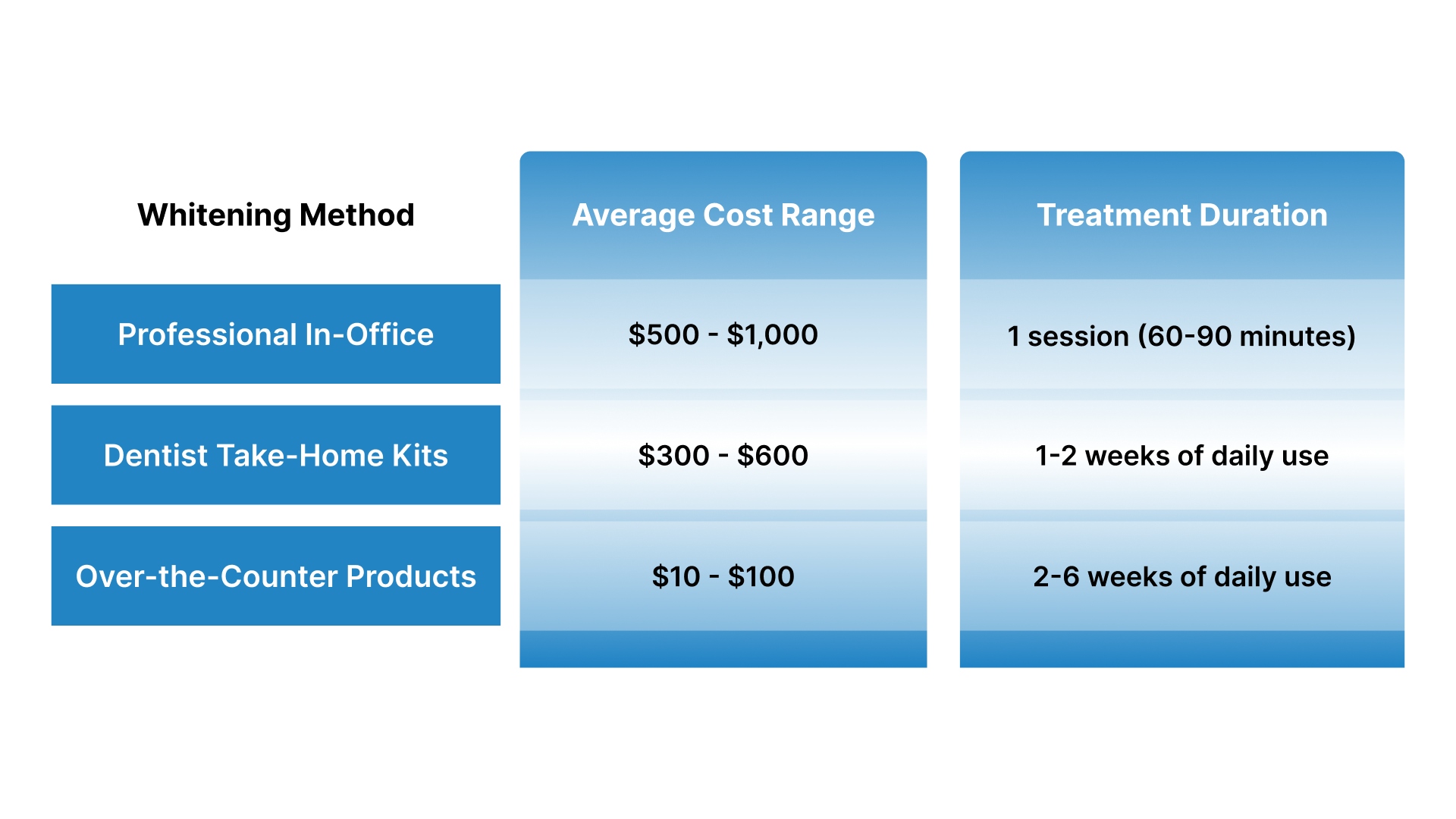
Whitening Method | Average Cost Range | Treatment Duration |
|---|---|---|
Professional In-Office | $500 - $1,000 | 1 session (60-90 minutes) |
Dentist Take-Home Kits | $300 - $600 | 1-2 weeks of daily use |
Over-the-Counter Products | $10 - $100 | 2-6 weeks of daily use |
Drugstore options save money upfront but often require longer commitment and deliver less predictable outcomes than supervised treatments.
Cost variations depend on several factors that push prices higher or lower depending on your circumstances:
Geographic location: Urban practices in high-cost cities charge more than rural clinics for identical procedures and products.
Dentist expertise: Cosmetic specialists and established practices command premium fees compared to general dentistry offices offering whitening.
Severity of staining: Deeper discoloration requires stronger concentrations, additional sessions, or combination therapies that increase total expense.
Product quality: Name-brand systems and patented technologies cost more than generic alternatives with similar active ingredients.
Additional services: Some offices bundle whitening with exams, cleanings, or offer custom shade matching that adds to the bill.
In-office vs At-home Teeth Whitening - Which Is Better?
There's no universal answer to this question since the right choice depends on your budget, timeline, and staining severity.
Whitening targets two distinct types of discoloration:
External stains: Surface discoloration from coffee, tea, red wine, tobacco, and certain foods that cling to enamel over time.
Internal stains: Deeper discoloration caused by aging, medications like tetracycline, fluorosis, or trauma that affects the inner tooth structure.
Over-the-counter products handle external stains reasonably well but struggle with internal discoloration that penetrates below the surface. Professional treatments use higher peroxide concentrations and advanced activation methods that reach deeper layers of your teeth.
Dentists can also customize the strength and application based on your specific staining pattern and sensitivity levels. If you have mild surface yellowing and plenty of patience, at-home kits offer decent value.
For stubborn stains or fast results before an important event, professional whitening justifies the higher price tag despite the lack of insurance support.
It won't likely be covered by your dental insurance, regardless of how effective it proves to be. The cost of in-office whitening depends on the type of staining you're addressing and the technology your dentist uses.
So, Is Getting Dental Insurance Worth It?
Yes, dental insurance remains worthwhile even when cosmetic procedures stay off the table. The value lies in protecting yourself from high-cost restorative work and keeping preventive care accessible without financial barriers.
While whitening definitely won't appear on your reimbursement list, there are other significant procedures that insurance handles entirely or partially.
Dental insurance typically covers:
Preventive services: Routine cleanings, comprehensive exams, fluoride treatments, and diagnostic X-rays are usually covered at 100% with no out-of-pocket costs.
Basic restorative procedures: Fillings for cavities, simple extractions, emergency pain relief, and periodontal maintenance visits receive 70-80% coverage in most plans.
Major restorative work: Root canals, crowns, bridges, dentures, and gum surgery get partial coverage ranging from 40-60% after you meet deductibles.
Orthodontic care: Some plans include braces or aligners for children and adults, though coverage limits and waiting periods often apply.
Emergency dental care: Accidents resulting in broken teeth, knocked-out teeth, or trauma-related injuries qualify for urgent treatment reimbursement.
TrueCost Group specializes in finding PPO plans that maximize these benefits without the hassle of traditional insurance shopping.
With up to $5,000 in annual benefits, no contracts, and a network of 85,000+ dentists nationwide, you get protection that adapts to your needs instead of locking you into rigid terms.
Don't wait until a dental emergency forces your hand. Get the coverage that keeps routine care free and major work affordable.
Our Advice? Clean First, Whiten Later
When it comes to discoloration caused by external factors like coffee and tobacco, DIY teeth whitening can work surprisingly well once you establish a solid foundation.
The mistake most people make is jumping straight to whitening products without addressing underlying oral health issues first.
Here's how you can approach whitening intelligently without wasting money on treatments that won't stick:
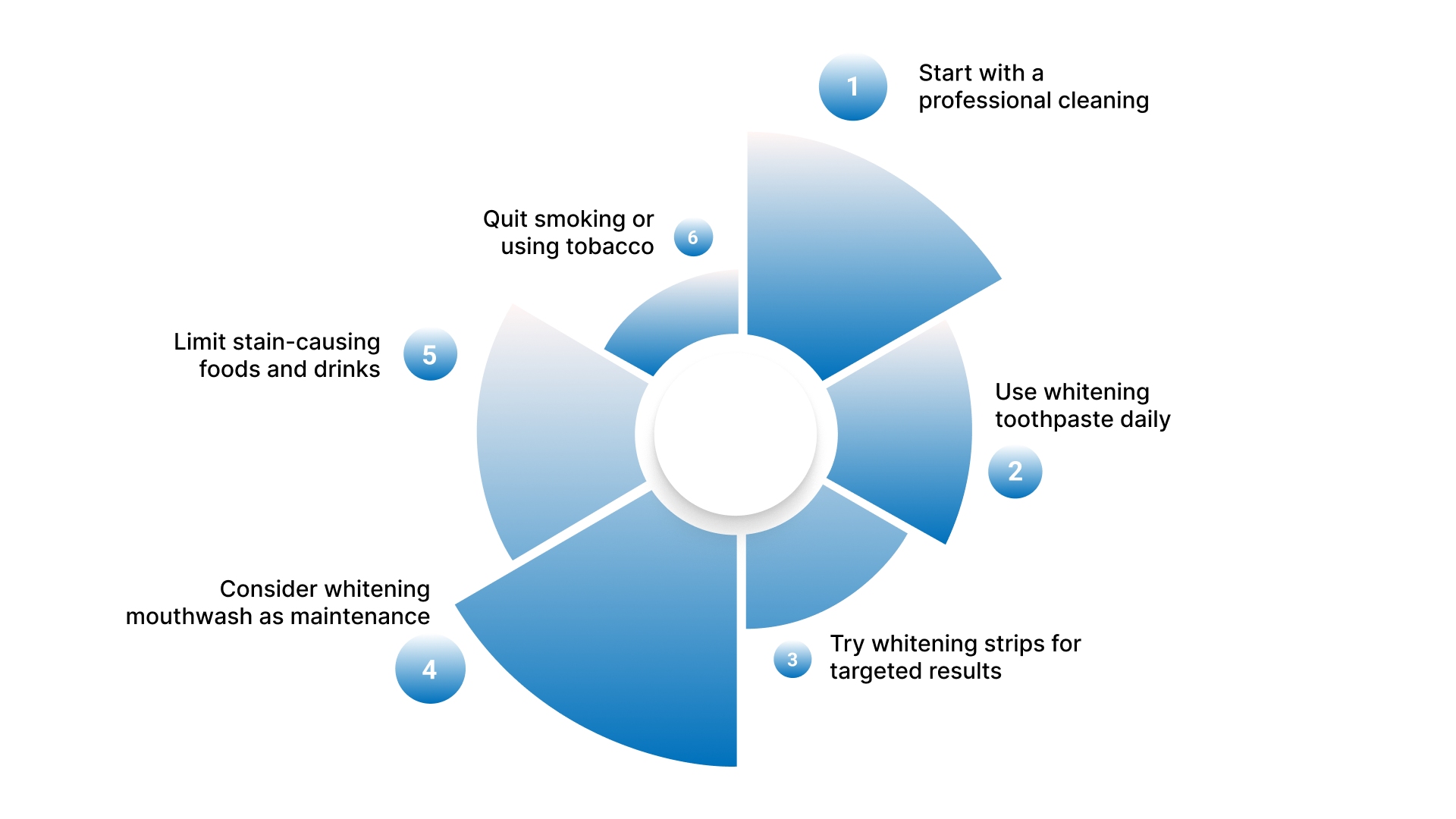
Start with a professional cleaning: Tartar buildup and surface stains block whitening agents from reaching your enamel effectively, so book a hygienist appointment first.
Use whitening toothpaste daily: Brands containing mild abrasives and low-concentration peroxide gradually lift surface stains over several weeks of consistent brushing.
Try whitening strips for targeted results: Apply them according to package directions for 10-14 days to see noticeable lightening without professional intervention.
Consider whitening mouthwash as maintenance: Rinse daily after brushing to prevent new stains from settling while keeping your breath fresh.
Limit stain-causing foods and drinks: Cut back on coffee, red wine, dark berries, and soy sauce between whitening sessions to maintain results longer.
Quit smoking or using tobacco: Nicotine and tar create some of the most stubborn discoloration that fights against even professional-grade bleaching agents.
A clean mouth responds better to whitening because the products can penetrate evenly without interference from plaque or calculus.
If your dentist spots cavities or gum disease during your cleaning, address those issues before whitening to avoid sensitivity and wasted effort. Healthy teeth hold their new shade longer and experience fewer complications during the bleaching process.
TrueCost Group: Coverage That Actually Works When You Need It
TrueCost Group specializes in connecting you with PPO dental plans that eliminate waiting periods and deliver meaningful benefits from day one.
We cut through insurance jargon by offering real human guidance through the messaging platforms you already check daily. Our mission is simple: to make sure you walk into every dental appointment feeling protected and confident about your coverage.
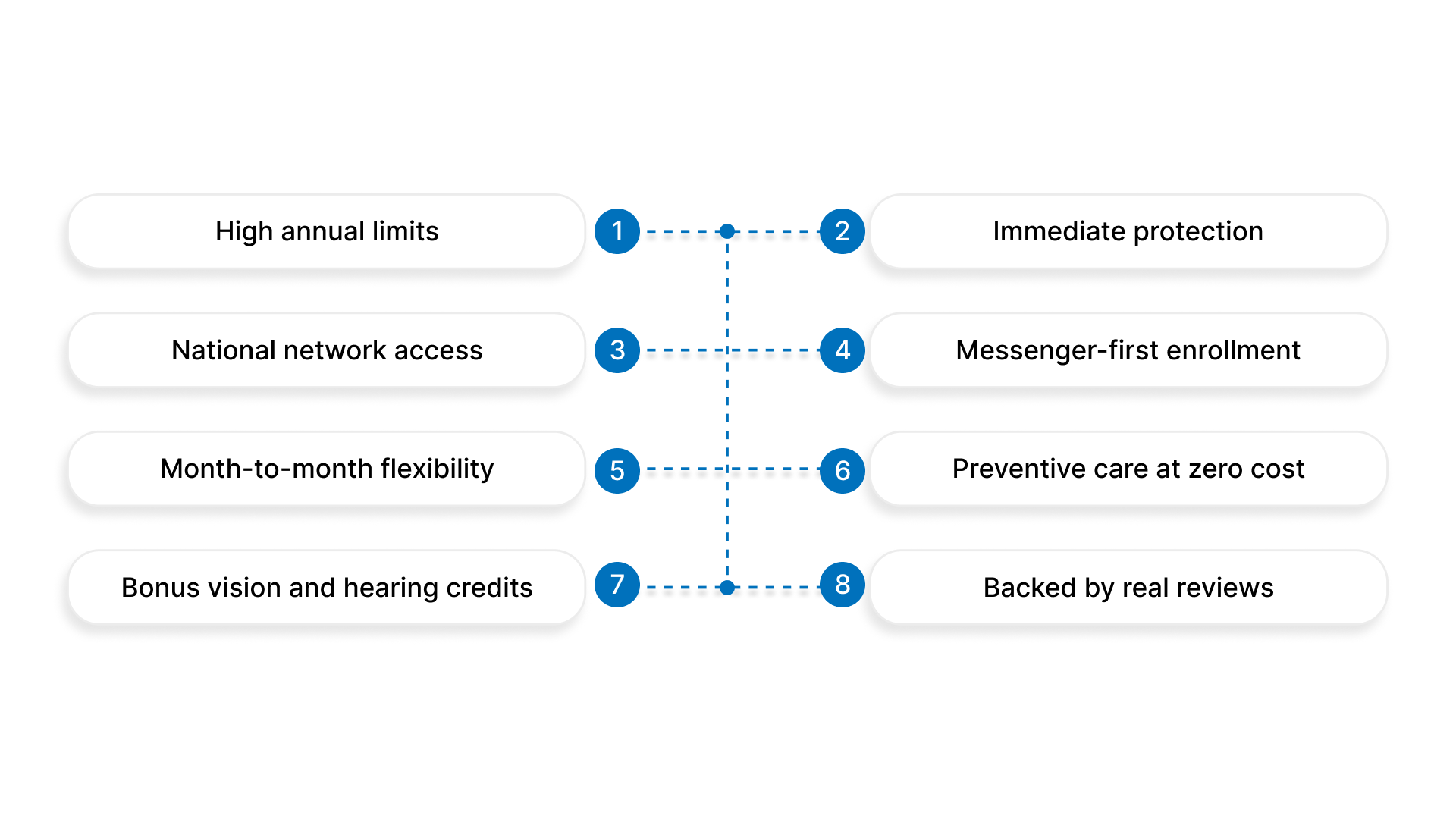
High annual limits: Access up to $5,000 yearly to tackle major procedures like root canals, crowns, bridges, dentures, and periodontal surgeries without hitting the cap.
Immediate protection: Skip the frustrating six-month waiting periods that traditional plans impose and start treatment the moment your coverage activates.
National network access: Choose from over 85,000 participating dentists across the country who offer negotiated rates that slash your total costs.
Messenger-first enrollment: Complete your entire application through WhatsApp or Facebook Messenger without wrestling through lengthy paper forms or confusing online portals.
Month-to-month flexibility: Control your budget with plans that carry no long-term contracts and let you cancel anytime without penalties or surrender fees.
Preventive care at zero cost: Get 100% coverage for cleanings, exams, and X-rays so routine maintenance never becomes a financial decision.
Bonus vision and hearing credits: Receive $200 toward vision care and $500 for hearing services per person, included at no additional premium.
Backed by real reviews: Over 250 five-star ratings from families who've experienced our straightforward approach and responsive support firsthand.
We've helped thousands of people secure affordable dental coverage that actually performs when cavities appear or emergencies strike. No hidden fees, no surprise exclusions, just transparent protection that starts working immediately.
Get a quick quote from us today and secure dental coverage that works from the very first day.
Conclusion
Dental insurance won't cover teeth whitening in most cases because insurers treat it as cosmetic rather than medically necessary. That doesn't diminish the value of having solid coverage for procedures that can truly drain your wallet.
Professional cleanings, fillings, crowns, and emergency care add up fast without protection. Understanding what your plan covers helps you budget smartly for both essential treatments and elective enhancements like whitening.
TrueCost Group connects you with PPO dental plans that deliver up to $5,000 in annual benefits with zero waiting periods. Our advisors walk you through options via Messenger or WhatsApp, making enrollment simple and stress-free.
You get 100% free preventive care, major procedure coverage, and access to 85,000+ dentists nationwide.
Call or message us now for a free quote and protect your smile before the next dental bill arrives.
Frequently Asked Questions
1. Does dental insurance ever cover teeth whitening?
Rarely. Coverage applies only when whitening treats medical conditions like tetracycline staining or enamel defects documented by your dentist, not cosmetic preferences.
2. Why don't insurance companies cover cosmetic dental procedures?
Insurance focuses on medically necessary treatments that restore function or prevent disease. Whitening improves appearance without addressing health issues like decay or infection.
3. How much does professional teeth whitening cost without insurance?
In-office treatments range from $500 to $1,000 per session. Dentist-provided take-home kits cost $300-$600, while drugstore products run $10-$100.
4. Are over-the-counter whitening products as effective as professional treatments?
No. Professional treatments use higher peroxide concentrations and custom application methods that penetrate deeper stains. Drugstore products work more slowly and with less predictable results.
5. What dental procedures does insurance cover?
Most plans cover preventive care at 100%, basic procedures like fillings at 70-80%, and major work like crowns at 40-60% after deductibles.