
Introduction
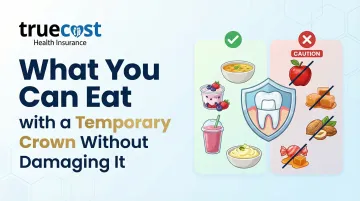
Getting a temporary crown can leave you wondering what's safe to eat. This protective restoration shields your prepared tooth while your permanent crown is being custom-fabricated in a dental lab—a process that typically takes 2-3 weeks.
Unlike permanent crowns, temporary versions are intentionally designed to be removable, using weaker adhesive and less durable materials like acrylic resin.
Temporary crowns are more delicate than permanent ones for good reason. The cement holding them in place has significantly weaker bonding strength, and the crown material itself is less resistant to pressure and force.
This intentional fragility means dietary modifications aren't just suggestions—they're necessary to prevent dislodging the crown, damaging your prepared tooth, or experiencing uncomfortable sensitivity. With the right food choices and eating techniques, you can comfortably maintain your nutrition while protecting your temporary restoration.
TLDR: Quick Guide to Eating with a Temporary Crown
- Stick to soft, room-temperature foods like yogurt, mashed potatoes, and scrambled eggs
- Avoid sticky foods (caramel, gum), hard foods (nuts, ice), and temperature extremes
- Chew on the opposite side of your mouth from the temporary crown whenever possible
- Use extra care during the first 24-48 hours while cement sets
- Return to normal eating 24-48 hours after your permanent crown placement
Safe Foods to Eat with a Temporary Crown
Soft Proteins and Dairy
Your protein needs don't have to suffer with a temporary crown. Focus on options that require minimal chewing force:
- Scrambled or soft-boiled eggs - Easy to prepare and gentle on temporary restorations
- Flaky fish - Salmon, tilapia, or cod cooked until tender
- Ground meat - Well-cooked ground turkey, chicken, or beef in soft preparations
- Shredded chicken - Slow-cooked or pressure-cooked until very tender
- Tofu (silken or soft varieties)
- Greek yogurt with protein and probiotics
- Cottage cheese for high protein content
- Soft cheeses like Brie, cream cheese, or ricotta
These options break down easily with minimal pressure and won't stick to your crown. They also avoid the pull-off forces that can dislodge temporary cement.
Cooked Vegetables and Soft Fruits
Raw vegetables and crunchy fruits are off-limits, but cooked alternatives provide essential nutrients. The same principle applies to fruits—choose soft, ripe options that don't require forceful biting.
Vegetables:
- Steamed carrots (cooked until very soft)
- Cooked zucchini or squash
- Mashed sweet potatoes
- Well-cooked spinach or leafy greens
- Pureed vegetable soups
- Soft-cooked green beans
Fruits:
- Ripe bananas
- Avocados
- Unsweetened applesauce
- Canned peaches or pears (avoid those with tough skins)
- Soft berries (blueberries, raspberries) without seeds
- Ripe melon cut into small pieces
The key is eliminating the "crunch factor" that creates pressure capable of fracturing temporary crown material.
Soft Starches and Grains
Carbohydrates provide energy and can be safely consumed when properly prepared:
- Soft pasta - Cook slightly longer than al dente; cut into smaller pieces
- White or brown rice - Well-cooked until soft
- Oatmeal or cream of wheat - Ideal breakfast options
- Mashed potatoes - Classic comfort food that's crown-safe
- Soft bread (remove hard crusts)
- Pancakes or waffles cut into small pieces
- Polenta or grits with smooth texture
When cooking pasta, add an extra 2-3 minutes to your usual cooking time to ensure maximum softness.
Cut longer noodles into bite-sized pieces before eating to reduce chewing effort.
Beverages and Smoothies
Liquids and blended drinks help maintain nutrition when chewing is uncomfortable:
Recommended beverages:
- Water (room temperature)
- Milk (lukewarm, not cold from the refrigerator)
- Protein shakes
- Smoothies without seeds, ice chunks, or hard fruit pieces
- Lukewarm herbal tea
Blend soft fruits like bananas and berries with yogurt, protein powder, and thinned nut butter for a nutrient-dense meal replacement.
Let frozen ingredients come to room temperature before consuming, or blend with room-temperature liquids. This avoids temperature changes that could affect your prepared tooth.
Meal Planning Example
Sample One-Day Menu:
- Breakfast: Scrambled eggs with soft whole-wheat toast (crusts removed), lukewarm coffee or tea
- Morning Snack: Greek yogurt with mashed banana
- Lunch: Chicken noodle soup with soft bread, side of cottage cheese
- Afternoon Snack: Protein smoothie with banana, yogurt, and protein powder
- Dinner: Baked salmon with mashed potatoes and steamed carrots
- Evening Snack: Soft cheese with softened crackers
This meal plan provides balanced nutrition while keeping all foods within safe parameters for temporary crown protection.

Foods to Avoid with a Temporary Crown
Sticky and Chewy Foods
Sticky foods pose the highest risk of dislodging your temporary crown. Research shows that sticky foods like caramel can generate pull-off forces up to 15.87 N—directly overlapping with the 4.5-17.8 N retention strength of temporary cements.
Avoid completely:
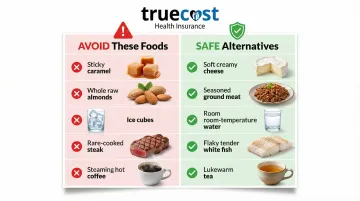
- Chewing gum (the most common cause of temporary crown failure)
- Caramel and taffy
- Gummy candies and gummy bears
- Dried fruits (raisins, dates, apricots)
- Thick peanut butter or almond butter
- Sticky rice or rice cakes
- Marshmallows
- Toffee
When you bite into sticky food, it adheres to the crown surface. As you pull away or chew, the food creates tensile forces that literally pull the crown off the tooth, breaking the temporary cement bond.
Hard and Crunchy Foods
Hard foods create point loads that can fracture temporary crown materials or exceed the cement's retention capacity:
- Nuts - Almonds, walnuts, peanuts, cashews
- Popcorn - Both kernels and hard popped pieces
- Hard candies - Jolly Ranchers, peppermints, lollipops
- Ice - Never chew ice with any dental work
- Raw vegetables - Carrots, celery, broccoli, cauliflower
- Whole apples - Biting into whole fruits creates excessive force
- Crusty bread - Baguettes, hard rolls, pizza crust edges
- Chips and pretzels - Tortilla chips, potato chips, hard pretzels
- Granola and energy bars - Often contain hard nuts and dried fruit
While bis-acryl crowns can withstand fracture forces of 2,254-2,702 N under static laboratory conditions, repetitive chewing and lateral forces in real-world conditions significantly reduce this threshold.
Foods with Extreme Temperatures
Your prepared tooth has been shaved down, often exposing dentin with sensitive nerve endings. Temporary crowns provide less insulation than permanent ceramic restorations.
Avoid temperature extremes:
- Very hot foods: Hot soup, coffee, tea (let cool to lukewarm)
- Very cold foods: Ice cream, frozen yogurt, iced beverages, popsicles
Temperature fluctuations can reduce temporary cement retention force by more than 50%. Extreme temperatures also trigger pulpal sensitivity in the exposed tooth structure, causing discomfort and potentially weakening the cement bond over the 2-3 week wear period.
Tough and Fibrous Foods
Foods requiring prolonged, vigorous chewing put sustained pressure on temporary crowns:
- Tough cuts of meat - Steak, pork chops, beef jerky
- Chewy breads - Bagels, soft pretzels, thick pizza crust
- Corn on the cob - The biting and pulling motion is particularly risky
- Raw celery or fibrous vegetables
- Chewy candy - Starbursts, Now and Laters
Repetitive loading fatigues both the temporary cement bond and the provisional material itself, increasing the risk of failure with each chewing cycle.
Sugary Foods and Acidic Beverages
While not an immediate mechanical risk, there's often a small gap between the temporary crown margin and your gumline where food particles can become trapped.
Limit or avoid:
- Candy and sweets
- Pastries and desserts with high sugar content
- Soda (both sugar and acid content)
- Citrus juices
- Sports drinks
Trapped sugars and acids can cause decay under the crown. If you do consume these items, rinse your mouth thoroughly with water immediately afterward and brush gently around (not directly on) the crown margins.
Practical Tips for Eating with a Temporary Crown
Chewing Techniques and Side Selection
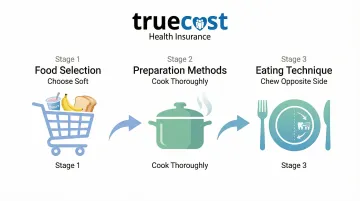
Primary rule: Chew on the opposite side of your mouth from the temporary crown. This prevents pressure that could loosen or crack it.
Other helpful techniques:
- Use your tongue to position food away from the crowned tooth
- Take smaller bites to reduce the amount of pressure needed
- Chew slowly and deliberately rather than vigorously
- If food accidentally touches the temporary crown, ensure it's soft and room temperature before continuing
Food Preparation Strategies
How you prepare food matters as much as what you eat:
Cut food into smaller pieces:
- Cut all foods into small, bite-sized pieces before eating
- Remove crusts from bread
- Dice or shred meats into small portions
- Cut fruits and vegetables into pieces no larger than your thumbnail
Choose cooking methods that soften foods:
- Steam vegetables and fish
- Boil or simmer pasta, potatoes, and vegetables
- Slow-cook meats and stews
- Pressure-cook tough cuts of meat
Skip methods that add crunch:
- Frying or deep-frying
- High-heat roasting
- Charred grilling
- Baking until crispy
Managing Social and Dining Out Situations
At restaurants:
- Choose pasta dishes, soups, or fish entrees
- Ask for vegetables to be cooked extra-soft
- Request meat to be cut into small pieces in the kitchen
- Order items that naturally come in soft preparations (mashed potatoes, risotto, polenta)
- Avoid appetizers like chips, nuts, or raw vegetable platters
At social events:
- Eat a soft meal before attending if you're unsure about food options
- Focus on softer buffet items (casseroles, cooked vegetables, soft desserts)
- Politely decline foods you know are risky without drawing attention
- Keep conversation flowing while eating slowly and carefully
What to Do If the Crown Becomes Loose
Immediate steps:
- Stop eating immediately - Don't continue chewing
- Remove the crown carefully - If it falls out, take it out of your mouth to avoid swallowing or inhaling it
- Rinse gently - Use lukewarm water to clean your mouth
- Avoid touching - Don't probe the area with your tongue or fingers
Temporary fix at home:
- Gently clean the inside of the crown and the tooth surface
- Use temporary dental cement (available at pharmacies) or a small amount of toothpaste to put the crown back in place
- Never use household glues like superglue—these are toxic and prevent your dentist from removing the crown safely
Contact your dentist:
- Call your dental office immediately
- Have your dentist re-cement the crown within 24-48 hours
- If you cannot re-seat it, avoid chewing on that side completely and stick to very soft foods
- Leaving the crown off allows nearby teeth to shift, which can affect how your permanent crown fits
Temporary vs Permanent Crown: Dietary Differences
Immediate Post-Placement Care (First 24-48 Hours)
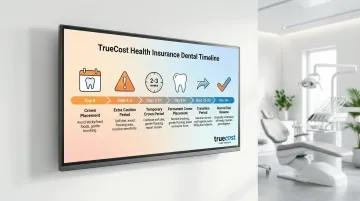
The first 1-2 days after temporary crown placement require heightened caution. Temporary cements typically have setting times in the mouth of 1:40 to 2:50 minutes for initial stability, with complete curing taking up to 5-7 minutes.
During the first 24 hours:
- Stick to very soft, room-temperature foods only
- Avoid the crowned tooth entirely if possible
- No chewing on that side
- Liquids and smoothies are ideal
After the first day (24-48 hours), gradually introduce soft foods while continuing to avoid sticky, hard, or temperature-extreme options. Begin gentle chewing on the opposite side.
Transitioning to Permanent Crown
Temporary crowns are typically worn for 2-3 weeks while your permanent restoration is fabricated in the dental laboratory.
Once your permanent crown is placed, wait until anesthesia has completely worn off before eating (typically 2-3 hours). Start with soft foods for the first 24 hours, then gradually return to your normal diet over 24-48 hours as the permanent cement fully sets.
The key difference in durability is significant: permanent cement can exceed 100 N retention force compared to temporary cement's 4.5-17.8 N. This allows for a much broader diet once the permanent crown is in place.
Long-Term Care for Permanent Crowns
While permanent crowns are far more durable, you should still be cautious with certain habits.
Long-term precautions:
- Avoid using crowned teeth to crack nuts or shells
- Don't chew ice (this can damage natural teeth too)
- Avoid opening packages or bottles with your teeth
- Be cautious with very hard candies
Oral hygiene for crowned teeth:
- Brush carefully around crown margins twice daily
- Floss daily, gently sliding the floss rather than snapping it
- Use a water flosser to clean around the crown-gum interface
- Maintain regular dental checkups (every 6 months) to monitor crown integrity
Permanent crowns can last 10-15 years or longer with proper care and hygiene.
Frequently Asked Questions
How long do I need to be careful with eating after getting a temporary crown?
Be extremely careful for the first 24-48 hours while cement sets, avoiding the crowned tooth entirely. Continue soft foods and room temperature items for the full 2-3 weeks, then gradually return to normal eating after your permanent crown placement.
Can I drink coffee or hot beverages with a temporary crown?
Avoid hot beverages immediately after placement and drink only lukewarm coffee or tea during the temporary crown period. Extreme temperatures can trigger sensitivity and weaken the cement bond.
What should I do if my temporary crown feels loose while eating?
Stop eating and rinse gently with lukewarm water. If it falls out, preserve it and contact your dentist within 24-48 hours. You can temporarily re-seat it using pharmacy dental cement or toothpaste—never household glue.
Is it safe to chew gum with a temporary crown?
No. Chewing gum is one of the most common causes of temporary crown dislodgement and should be completely avoided for the entire 2-3 week period.
Can I eat on the side with the temporary crown?
Chew on the opposite side whenever possible. If food touches the crowned tooth, ensure it's soft and room temperature, and avoid direct chewing pressure on that side.
How do I know if I've damaged my temporary crown?
Warning signs include: loose movement, rough edges, visible cracks, pain when biting, increased sensitivity, or complete crown loss. Contact your dentist immediately if you notice any of these symptoms.
Concerned About Dental Care Costs?
Dental procedures like crowns can be expensive without insurance. Many Americans don't realize they may qualify for health insurance plans that include dental benefits through the ACA marketplace or Medicare Advantage, with premiums starting at $0-$50 per month for those who qualify. If you're uninsured or exploring coverage options, call 1-888-788-8285 to speak with a licensed insurance advisor about plans from major carriers.