Yes, a dental crown is worth it for many situations. It protects a weakened tooth, restores bite strength, and makes daily eating comfortable. This option suits people dealing with cracks, deep decay, or post-root canal repair. Under normal chewing pressure, crowns perform reliably without extra care.
Most crowns last 5-15 years, typically require two appointments, and come in several material options suited to different needs. The commitment might seem daunting, especially when alternatives exist. You might wonder if waiting makes sense or if a filling could work instead.
Timing, durability, and material selection create real decision pressure. This article covers the real benefits, the fair tradeoffs, and how crowns fit within dental insurance choices. Let us help you decide if this restoration matches your dental needs and long-term oral health goals.
Key Takeaways
Crowns protect weakened teeth, restore chewing function, and typically last 5-15 years with proper care.
Crown costs range from $800 to $2,500, varying by material, location, and dentist specialization.
Additional expenses like root canals, core buildups, and X-rays can increase your total dental bill substantially.
PPO dental plans cover roughly 50% of crown costs, though waiting periods may delay treatment.
TrueCost Group offers plans with $5,000 annual benefits and zero waiting periods for immediate coverage.
6 Tangible Benefits of Getting a Dental Crown
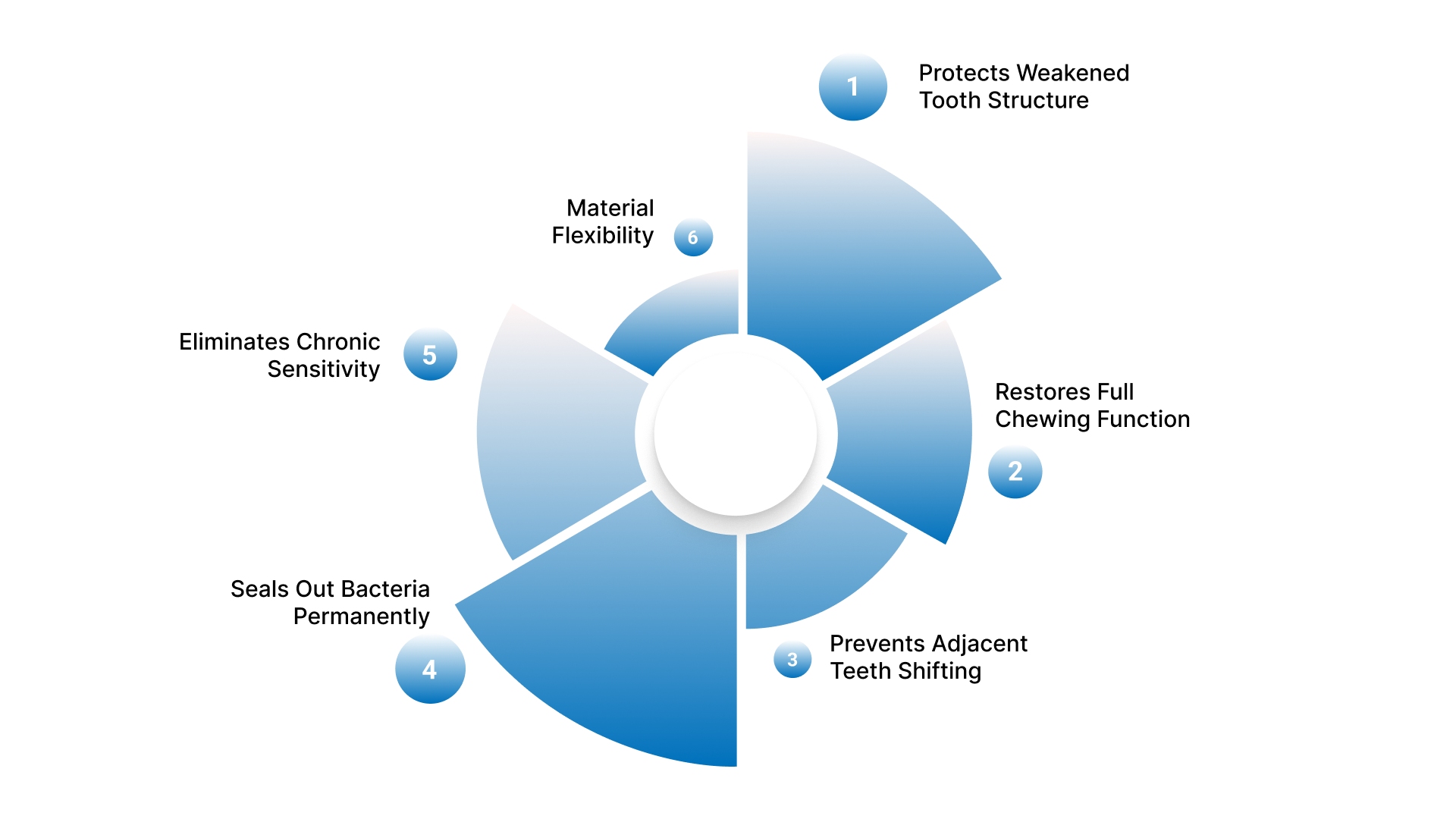
Crowns deliver functional improvements that go beyond cosmetic appeal. These restorations address structural problems while supporting your daily routines.
Protects Weakened Tooth Structure: A crown encases vulnerable enamel, preventing further cracks or breaks that could lead to extraction down the line.
Restores Full Chewing Function: You regain the ability to bite into apples, chew steak, and eat normally without wincing or adjusting how you use your mouth.
Prevents Adjacent Teeth Shifting: By maintaining proper spacing, crowns keep neighboring teeth from drifting into gaps and creating alignment issues that complicate future care.
Seals Out Bacteria Permanently: The crown acts as a barrier against decay, stopping harmful bacteria from penetrating deep into the tooth's interior and causing infections.
Eliminates Chronic Sensitivity: Once placed, crowns block temperature extremes and pressure from reaching exposed dentin, ending the sharp pains that disrupt meals and drinks.
Material Flexibility: Options such as ceramic, porcelain-fused-to-metal, or metal crowns allow selection based on strength needs, appearance goals, and insurance coverage.
Cons of Dental Crowns
While crowns solve serious problems, they come with limitations worth considering. These drawbacks affect timing, maintenance, and financial planning.
Requires Permanent Tooth Alteration: Your dentist must file down the natural tooth structure significantly, and this reduction cannot be reversed once completed.
Demands Multiple Dental Visits: The process spans at least two appointments with a temporary crown placement in between, requiring time off work and scheduling coordination.
Can Be Expensive Without Coverage: Crown procedures often run high without insurance, turning necessary dental work into a financial strain that delays or prevents treatment altogether.
May Need Future Replacement: Even well-maintained crowns eventually wear down, crack, or loosen, meaning you'll face another procedure and expense years down the road.
Why let insurance uncertainty stop you from getting the dental care you need right now? TrueCost Group connects you with PPO dental plans offering up to $5,000 in annual benefits, 100% coverage for cleanings and checkups, and no waiting periods for major work like crowns. Coverage starts immediately, often for less than a dollar per day.
Get an instant quote from us to get started with your affordable dental plan right away.
So, is a crown worth getting? To come to the right conclusion, we need to examine what you'll spend and how different factors influence the final price.
Cost of a Dental Crown in the USA
A standard dental crown typically ranges from $800 to $2,500 per tooth across the United States. However, the amount you pay depends on several factors that can shift the price up or down within this range.
Material Selection Drives Price Variations
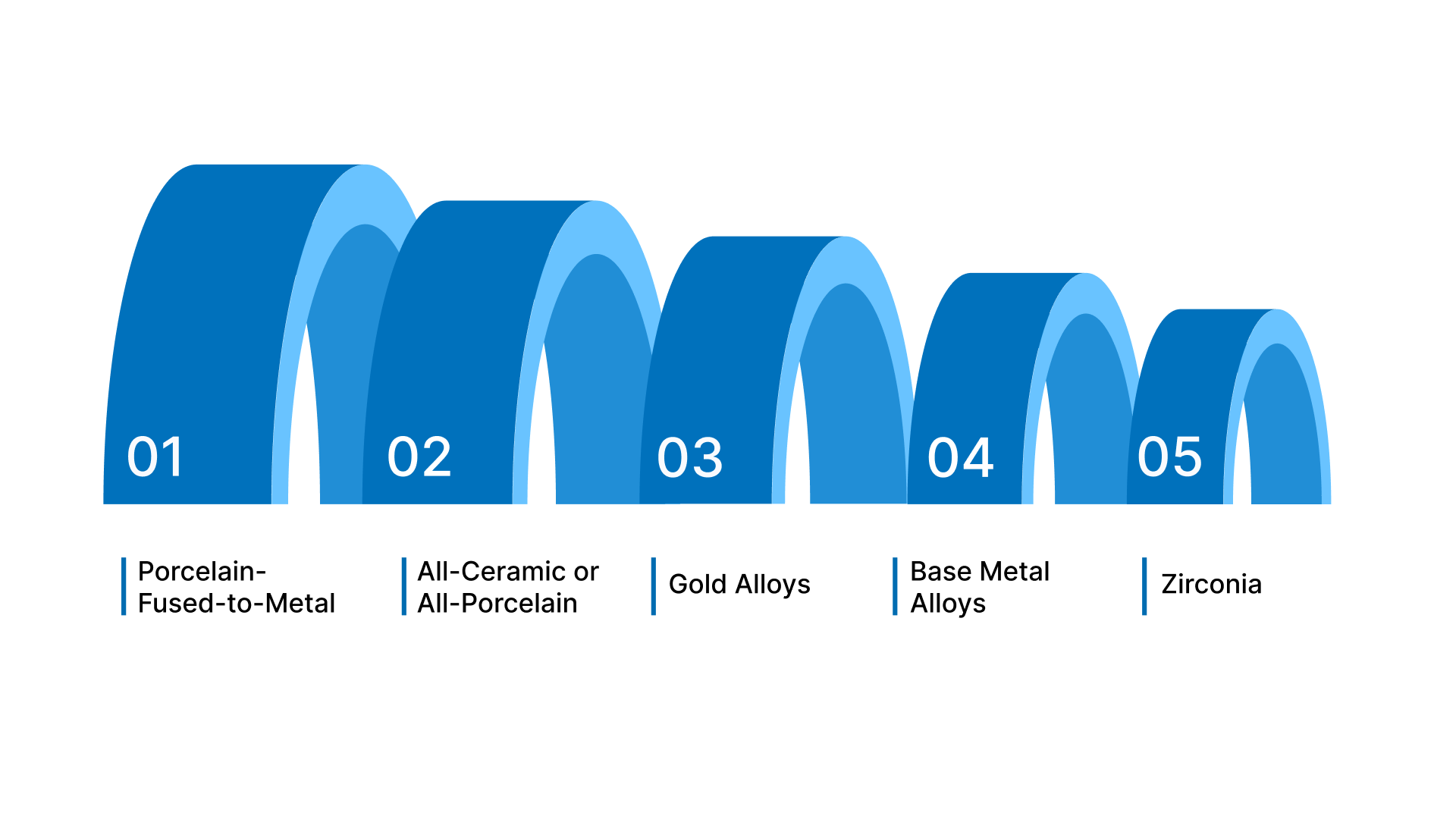
The crown material you choose influences both durability and appearance, with each option carrying distinct cost implications.
Porcelain-Fused-to-Metal: Combines metal strength with porcelain aesthetics for molars and premolars, balancing durability with reasonable appearance at moderate pricing.
All-Ceramic or All-Porcelain: Provides the most natural color matching for front teeth, offers excellent biocompatibility, but costs more and may chip under heavy pressure.
Gold Alloys: Delivers exceptional longevity and gentle wear on opposing teeth, requires minimal tooth removal, though the metallic appearance limits use to back teeth.
Base Metal Alloys: Resists corrosion extremely well and requires less tooth structure removed, costs less than gold, but the silver color makes it unsuitable for visible areas.
Zirconia: Offers superior strength for posterior teeth with decent aesthetics, resists fracturing better than porcelain, and sits in the higher price range for durability.
Geographic Location Affects Pricing
Urban dental practices in cities like New York, Los Angeles, and San Francisco charge significantly more than rural clinics due to higher overhead and operating costs. Rent and staffing expenses, and regional economic conditions, push metropolitan prices upward.
Suburban areas typically fall somewhere between these extremes, offering moderate pricing that reflects their lower operational burdens compared to dense city centers.
Dentist Experience and Specialization
Prosthodontists and specialists typically charge premium rates compared to general dentists, though their expertise may justify the difference for complex cases requiring precision work.
Years of advanced training, specialized equipment investments, and refined techniques contribute to higher fees. General dentists often provide excellent crown work at more accessible price points, making them suitable for straightforward restorations without complications.
Lab Fees and Crown Fabrication
Custom lab-made crowns cost more than prefabricated options, with digital scanning and same-day milling technology sometimes adding convenience fees to the total bill.
Off-site labs require shipping time and technician labor, while in-house systems eliminate delays but demand expensive machinery.
The fabrication method your dentist uses directly impacts both the timeline and the amount appearing on your final invoice.
Other Costs Associated With Dental Crowns
Crown placement rarely stands alone as a single expense. Additional procedures before, during, or after the crown work can increase your total dental bill substantially.
Procedure | Typical Cost Range | When It's Needed |
|---|---|---|
Initial Consultation & Exam | $50 - $200 | Required to assess tooth damage and plan a treatment approach |
X-Rays (Periapical or Bitewing) | $25 - $250 | Necessary to evaluate root health and bone structure integrity |
Root Canal Therapy | $700 - $1,500 | Required when tooth pulp is infected or nerve is exposed |
Core Buildup | $150 - $400 | Needed when insufficient tooth structure remains to support the crown |
Post and Core | $200 - $600 | Used to anchor a crown when tooth has minimal remaining structure |
Temporary Crown | $100 - $300 | Protects the prepared tooth while the permanent crown is being fabricated |
Crown Lengthening | $200 - $500 | Performed when gum tissue must be removed to expose more tooth |
Sedation (if needed) | $150 - $500 | Optional for patients with severe anxiety or complex procedures |
These added costs explain why insurance coverage plays such a strong role in crown decisions. Would paying full price today feel comfortable, or would coverage bring peace of mind before treatment begins? Think about it.
What Kind of Insurance Covers Dental Crowns?
PPO (Preferred Provider Organization) dental plans offer the most flexibility for crown coverage, allowing you to visit any licensed dentist while receiving higher reimbursement rates within their network.
Roughly 61% of adults carry private dental insurance through employer-sponsored plans or individual policies.
With private dental insurance, you maintain the freedom to choose specialists or out-of-network providers. However, doing so reduces your reimbursement percentage and increases out-of-pocket expenses.
Waiting periods often apply for major procedures like crowns. These periods can last several months or extend beyond a year, depending on the policy. Some people also explore dental discount plans, which offer reduced prices, including on cosmetic services.
Common dental insurance options include:
HealthSpring dental insurance: Offers structured coverage with network dentists, predictable benefits, and support for crowns tied to medical need.
UHOne dental insurance: Provides flexible plans with varied waiting periods and coverage options suited for both preventive and major dental care.
Between traditional insurance, Medicare-linked options, and discount plans, you have multiple pathways to reduce crown expenses. The right choice depends on your age, employment status, and whether you need immediate coverage or can wait through benefit periods.
Cheaper Alternatives to Dental Crowns
What if the crown price feels too steep right now, or your tooth damage seems borderline? Several alternatives exist that address specific dental problems at lower costs, though each comes with limitations that may make crowns the better long-term investment.
Alternative | Pros | Cons |
|---|---|---|
Dental Fillings | Quick, single-visit procedure, minimally invasive, preserves most natural tooth structure, and works well for small to moderate cavities. | Only suitable for minor damage, doesn't protect weakened teeth from fractures, and may not last as long under heavy chewing pressure. |
Inlays and Onlays | Custom-fitted for precise coverage, stronger than fillings, covers partial tooth damage without full encasement, preserves more natural structure than crowns. | The cost approach to crown pricing, which requires two visits for placement, won't work for severely damaged or weakened teeth needing full protection. |
Dental Bonding | Completed in one appointment, the least expensive option, repairs chips and cracks cosmetically, and requires no tooth reduction or lab work. | Weak material that chips easily, stains over time, lasts only 3-7 years, unsuitable for major structural repairs or heavy biting surfaces. |
Veneers | Improves front tooth appearance dramatically, requires minimal tooth alteration, lasts 10-15 years with care, excellent for cosmetic concerns. | Only addresses visible surfaces, provides no structural support, costs remain high, inappropriate for damaged molars or functional problems. |
TrueCost Group Makes Dental Coverage Simple and Workable
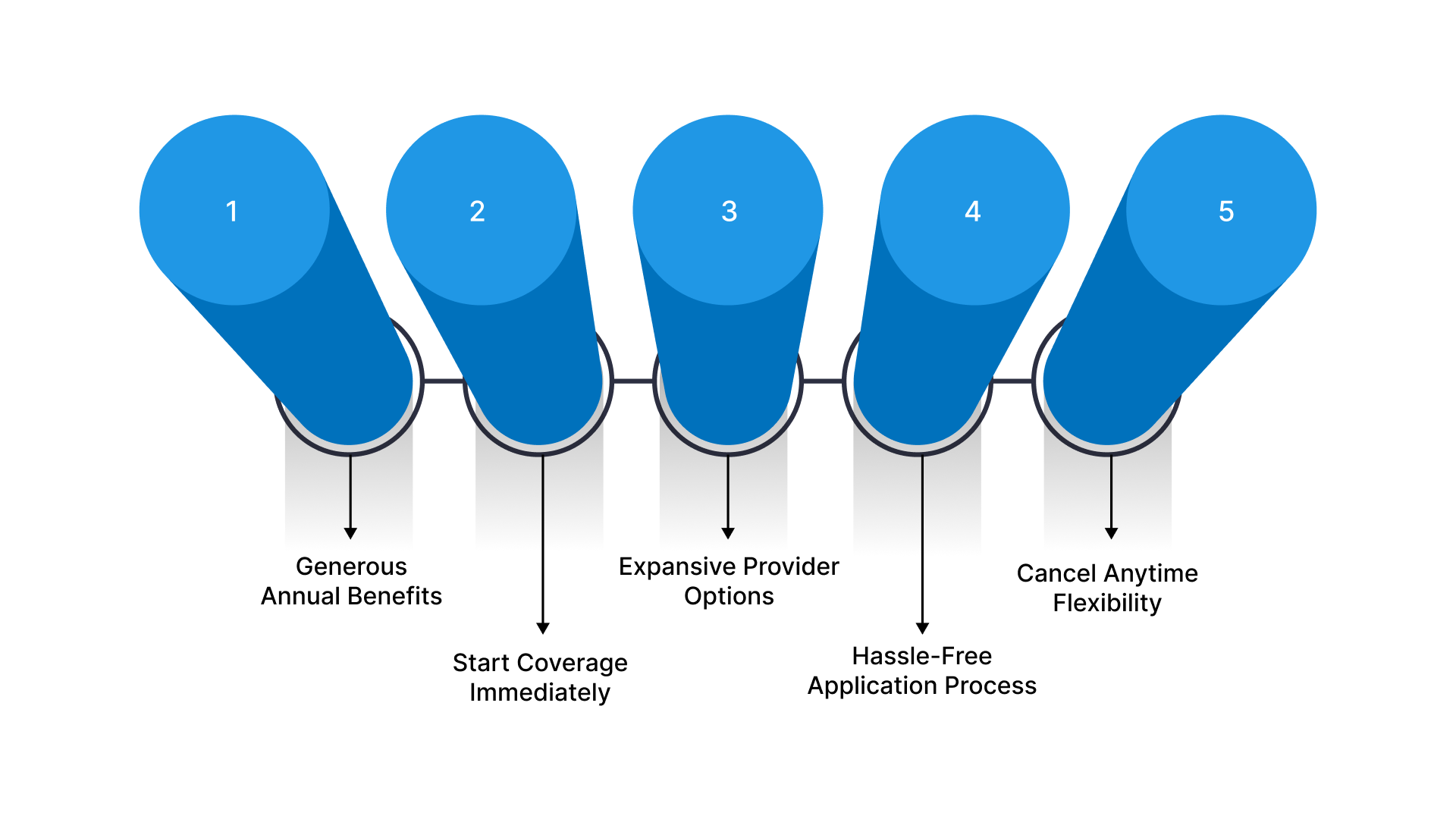
TrueCost Group helps remove friction from dental insurance decisions. Coverage starts fast, guidance stays personal, and plans focus on real treatment needs.
We simplify the process through direct messaging support, ensuring you understand your options and get covered fast.
When you work with us, you gain access to benefits designed for real-world dental needs:
Generous Annual Benefits: Plans provide up to $5,000 yearly, giving you room to tackle crowns, bridges, extractions, and other major work without maxing out early.
Start Coverage Immediately: Walk into the dentist next week with active benefits instead of sitting on the sidelines for half a year waiting for approval.
Expansive Provider Options: Select from an extensive network of participating dentists nationwide who honor your plan and offer pre-negotiated pricing to lower your expenses.
Hassle-Free Application Process: Enroll directly through messaging apps you already use daily, skipping tedious forms and endless phone calls with insurance agents.
Cancel Anytime Flexibility: Avoid being trapped in annual contracts with plans that operate month-to-month, letting you adjust coverage as circumstances change.
Stop letting coverage confusion keep you from necessary dental treatment. Get your personalized quote from TrueCost Group now and lock in protection that starts working the moment you need it.
Conclusion
Dental crowns deliver real protection for damaged teeth, restoring function and preventing extraction down the road. The procedure requires commitment through multiple visits and careful material selection, but the payoff spans decades of reliable chewing and comfort.
Weighing the benefits against alternatives helps you make the right choice for your specific dental situation and timeline.
TrueCost Group eliminates the insurance obstacle that stops people from getting necessary crown work. We can connect you with PPO dental plans offering up to $5,000 in annual benefits, zero waiting periods, and immediate coverage that starts protecting you from day one.
Get your free quote now and secure the dental coverage that makes crown treatment affordable and accessible right when you need it most.
FAQs
1. Is a dental crown worth the money?
Yes, crowns prevent extraction, restore full chewing ability, and last 5-15 years. They protect damaged teeth from further decay and eliminate chronic sensitivity permanently.
2. How long do dental crowns typically last?
Most dental crowns last between 5 and 15 years with proper care. Longevity depends on material choice, oral hygiene habits, and avoiding excessive grinding or pressure.
3. Can I get a crown without dental insurance?
Yes, but costs range from $800 to $2,500 without coverage. Dental discount plans or PPO insurance with immediate benefits can significantly reduce out-of-pocket expenses.
4. What happens if I don't get a crown on a damaged tooth?
The tooth continues weakening, risks cracking completely, and may require extraction. Bacteria can penetrate deeper, causing infections that demand root canal therapy or removal.
5. Are there cheaper alternatives to dental crowns?
Fillings work for minor damage, while onlays cover partial tooth surfaces. However, severely damaged teeth require full crown coverage to prevent fractures and maintain function.