Introduction
You're holding your sleeping newborn when the question hits: should I already be caring for their mouth? Many new parents don't realize that oral hygiene begins long before that first adorable tooth pops through. In fact, more than half of children aged 6-8 already have cavities in their baby teeth, often because preventive care started too late.
Your newborn's gummy smile might seem cavity-proof, but oral hygiene from birth lays the foundation for lifelong dental health. Bacteria that cause tooth decay can colonize before teeth appear, making early gum care essential.
The good news? Preventive pediatric care—including guidance on infant oral health—is typically covered under most health plans at no additional cost.
Understanding when and how to start protects your baby's future smile. This guide covers exactly when to begin oral care, step-by-step methods for cleaning gums and first teeth, and practical solutions to common challenges during those exhausting early months.
Key Takeaways
- Start gum cleaning within the first few days of life, before teeth appear
- Clean gums twice daily with a soft, damp cloth—plain water is all you need
- First tooth means first toothbrush—use rice-grain-sized fluoride toothpaste
- Baby's first dental visit should happen by age one
- Pediatric dental coverage is included as an essential benefit in most ACA marketplace health plans
Why Oral Hygiene Matters for Newborns
Baby Teeth Are Not "Just Temporary"
Primary teeth serve critical functions that impact your child's development for years:
- Baby teeth enable proper chewing, which is essential for adequate nutrition and healthy digestion
- These teeth play a key role in helping children form sounds and words correctly
- Primary teeth hold space for permanent teeth—premature loss can lead to crowding and misalignment
Bacterial Colonization Starts Early
Cavity-causing bacteria (Mutans streptococci) can colonize your infant's mouth from birth. While significant colonization typically occurs after teeth erupt (since bacteria need non-shedding surfaces to adhere to), early oral hygiene reduces the bacterial load before teeth appear.
Caregivers often transmit these bacteria through sharing spoons, cleaning pacifiers with their mouth, or kissing babies on the lips. Higher bacterial levels in a parent's mouth increase transmission risk.
Cavity Rates in Young Children
- Approximately 23% of children ages 2-5 have had cavities in their primary teeth
- More than half of children ages 6-8 have experienced cavities in at least one baby tooth
- Among youth ages 2-19, 13% have untreated tooth decay
Long-Term Consequences of Untreated Cavities
Untreated early childhood caries creates a cascade of problems:
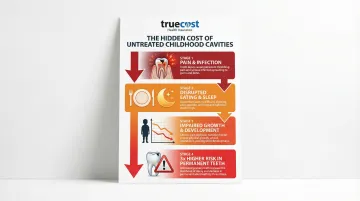
- Cavities cause pain, infections, and abscesses that interfere with eating and sleeping
- Chronic dental pain can impair physical growth and cognitive development
- Children with early childhood caries are three times more likely to develop cavities in their permanent teeth
- Dental problems affect a child's ability to eat, speak, and participate in social activities
Building Comfort with Oral Care
Starting gum cleaning from birth helps babies become comfortable with mouth care. This early familiarity makes the transition to tooth brushing much smoother and prevents resistance to dental care as your child grows.
When to Start Oral Hygiene for Newborns
Begin Within the First Few Days
The American Dental Association and CDC recommend wiping gums starting at birth, even before your baby leaves the hospital. This removes milk residue and bacteria while establishing oral care as part of your routine.
Understanding the Tooth Eruption Timeline
Knowing when to expect teeth helps you prepare for the transition from gum wiping to brushing.
Typical timeline:
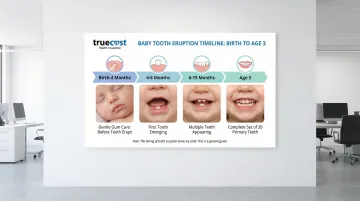
- First tooth: Usually appears around 6 months, though normal variation ranges from 4-15 months
- First teeth location: Typically the two bottom front teeth (central incisors), followed by the top four front teeth
- Complete primary set: Most children have all 20 primary teeth by age 3
Whether your baby's first tooth appears at 4 months or 12 months, both are completely normal. Don't worry if your baby's timeline differs from others.
Daily Frequency Requirements
Clean your baby's gums twice daily—once after the morning feeding and once before the last feeding at night. Once teeth erupt, brush twice daily (morning and night) with a soft-bristled infant toothbrush and fluoride toothpaste.
Don't Wait for Teeth
Many parents mistakenly believe oral care begins when teeth appear. Starting gum care from birth prevents bacterial overgrowth and makes the eventual transition to brushing seamless. Your baby will already be accustomed to having their mouth cleaned, reducing resistance when you introduce a toothbrush.
How to Clean Your Newborn's Gums (Before Teeth Appear)
What You'll Need
Gather these simple supplies:
- Soft, clean washcloth or gauze pads
- Clean water (lukewarm or room temperature)
- Comfortable position for holding your baby
Step-by-Step Gum Cleaning Process
1. Position your baby comfortably
Cradle your baby in one arm or lay them on a safe, flat surface where you can see into their mouth clearly. Choose a position that's comfortable for both of you and provides clear visibility.
2. Prepare your cleaning cloth
Wrap a clean, damp washcloth or gauze pad around your index finger. The cloth should be damp but not dripping wet—dip it in plain water and wring out excess moisture.
3. Gently open your baby's mouth
Apply slight, gentle pressure to your baby's chin to open their mouth. Don't force it—be patient and gentle.
4. Wipe all gum surfaces
Using gentle circular motions, clean:
- Upper gum line
- Lower gum line
- Inside of both cheeks
- Tongue surface
- Roof of the mouth
Use gentle pressure—gums are sensitive and should never be scrubbed vigorously.
5. Perform twice daily
Clean your baby's gums after the first morning feeding and before the last feeding at night. This removes milk residue and bacteria that accumulate throughout the day.
Important: Use only plain water at this stage. Don't use toothpaste or cleaning products for gum cleaning before teeth appear.

Common Mistakes to Avoid
- Using rough materials: Adult washcloths may be too abrasive—use soft cloths designed for babies
- Using cold water: Cold water can startle your baby—stick with lukewarm or room temperature
- Skipping gum care: Don't wait for teeth to appear before starting oral hygiene
- Sharing saliva: Never clean pacifiers with your mouth or share feeding spoons—this transfers cavity-causing bacteria
Transitioning to Brushing First Teeth
When to Make the Switch
As soon as you see the first tooth breaking through the gum—even if it's barely visible—it's time to transition from a cloth to a toothbrush.
Choosing the Right Toothbrush
Once you're ready to brush, selecting the right toothbrush matters. Look for these features:
- Small head: Specifically designed for infant mouths
- Extra-soft bristles: Won't hurt sensitive gums
- Comfortable handle: Easy for parents to grip and maneuver
Fluoride Toothpaste: Amount and Timing
With your brush selected, the next question is toothpaste. The American Academy of Pediatric Dentistry, ADA, and AAP all recommend using fluoride toothpaste as soon as the first tooth appears.
Correct amounts:
- Under age 3: Use a "smear" or rice-grain-sized amount (approximately 0.1 mg fluoride)
- Ages 2-5: Use a pea-sized amount
These tiny amounts maximize cavity prevention while minimizing fluorosis risk (tooth discoloration) if your baby swallows the toothpaste.
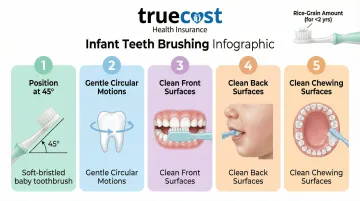
Brushing Technique
- Place bristles at an angle against the gum line
- Brush gently in small circular motions
- Clean all tooth surfaces—front, back, and chewing surfaces
- Brush twice daily (morning and before bed)
- Continue brushing for your child until they develop proper coordination (typically age 6-7)
Common Challenges and Solutions
Baby Resists or Cries During Gum Cleaning
Try these strategies:
- Make oral care part of a soothing routine with consistent timing
- Sing or talk to your baby during cleaning to provide comfort and distraction
- Ensure you're using gentle pressure—check that you're not pressing too hard
- Experiment with different times of day when your baby is calmer (not overtired or overly hungry)
- Stay calm yourself—babies pick up on parental stress
Teething Discomfort Makes Cleaning Difficult
When teeth start coming in, your baby may resist oral care due to sore, sensitive gums.
Relief strategies:
- Use a chilled (not frozen) washcloth for gum cleaning—the cold provides soothing relief
- Time cleaning sessions between teething pain episodes rather than during peak discomfort
- Offer a safe teething toy immediately after cleaning as a positive association
- Consider oral analgesics like acetaminophen if necessary (consult your pediatrician)
While these strategies help, certain products should be avoided entirely.
What to avoid:
- Never use over-the-counter benzocaine gels for infants and children under 2 years—these pose a risk of methemoglobinemia, a potentially fatal blood disorder
- Avoid homeopathic teething tablets, which the FDA has cautioned against
Gagging or Tongue Thrust Reflex
Your baby's tongue may automatically push forward during cleaning—a normal reflex that typically resolves around 5-6 months as solid foods are introduced.
Management tips:
- Be patient and persistent—this reflex is temporary
- Start with just the front gums and gradually work toward the back as your baby becomes more comfortable
- Don't force it—gentle persistence is more effective than pushing through resistance
Parents Forget or Feel Too Tired
The exhaustion of new parenthood is real, and adding another task to your routine can feel overwhelming.
Practical solutions:
- Pair oral care with an existing routine (like diaper changes or bath time)
- Set phone reminders for morning and evening cleaning times
- Have both parents take turns so it's not always one person's responsibility
- Keep supplies in multiple locations (bedroom, bathroom, changing table) so they're always accessible
- Remember that consistency matters more than perfection—if you miss a session, just resume at the next scheduled time
When to Schedule First Dental Visit
The "Age One" Recommendation
The ADA, AAP, and AAPD all recommend that your child's first dental visit occur by their first birthday or within six months of the first tooth erupting, whichever comes first.
What Happens at the First Visit
The initial dental visit focuses on prevention and education:
- Comprehensive oral exam: The dentist checks for proper growth, development, and any early signs of decay
- Risk assessment: Evaluation of your baby's individual risk factors for developing cavities
- Anticipatory guidance: Counseling on diet, oral hygiene techniques, fluoride needs, and injury prevention
- Fluoride varnish: The dentist may apply professional fluoride for children at risk for early childhood caries
Finding the Right Dentist
Look for a pediatric dentist or family dentist experienced with infants. Establishing a "dental home" early ensures consistent preventive care and builds familiarity with dental visits.
Insurance Coverage Considerations
Pediatric dental services are an essential health benefit under the Affordable Care Act, meaning most comprehensive health plans must include coverage for children.
Many families don't realize they qualify for ACA marketplace plans with pediatric dental benefits at premiums as low as $0-$50 per month. TrueCost Group helps families identify these coverage options and understand what pediatric dental benefits are included.
If you're exploring health insurance for your family, call 1-888-788-8285 to learn about available pediatric dental coverage and ensure your child has access to preventive care from the start.
Frequently Asked Questions
Do newborns really need oral hygiene?
Yes. Cavity-causing bacteria can colonize in your baby's mouth from birth, even before teeth appear. Early gum cleaning reduces bacterial load, establishes healthy routines, and significantly reduces the risk of early childhood cavities.
What is the 3 3 3 rule for brushing teeth?
The "3 3 3 rule" is not a recognized guideline for infant oral care. Evidence-based recommendations from the AAPD, ADA, and AAP advise brushing twice daily—morning and night.
Can I use toothpaste on my newborn's gums before teeth appear?
No. Toothpaste is not necessary or recommended for gum cleaning before teeth erupt. Plain water on a soft cloth is the safest and most effective method for newborns. Introduce fluoride toothpaste only after the first tooth appears.
Is it normal for my baby's gums to bleed slightly during cleaning?
Slight bleeding can occur if you're applying too much pressure, but gums should not bleed regularly during gentle cleaning. If bleeding persists, consult your pediatrician or dentist.
Should I clean my baby's gums after every feeding?
While cleaning after every feeding is ideal, it's not always practical. At minimum, clean gums twice daily—morning and before bed. After other feedings, offer a few sips of water to rinse the mouth.
What if my baby is exclusively breastfed—do I still need to clean their gums?
Yes. Breast milk contains natural sugars that can contribute to bacterial growth if not cleaned away. Breastfed babies need the same gum cleaning routine as formula-fed babies—twice daily.