Introduction
You bite into an apple and feel a sharp crack. A piece of your tooth breaks off while chewing something soft. If this sounds familiar, you're not alone. Research shows that dental fractures account for a significant portion of emergency dental visits, and many Americans struggle with recurring tooth damage without understanding the underlying causes.
Tooth breakage isn't just bad luck—it's often a warning sign that something deeper is compromising your dental health. Most cases are preventable and treatable once you identify the root cause.
This article explains why teeth break, what happens if you ignore the problem, and proven prevention strategies. You'll also discover treatment options and how ACA marketplace plans and Medicare Advantage coverage can help make dental care affordable, with many qualified individuals paying $0-$50/month for comprehensive health insurance that includes dental benefits.
Key Takeaways
- Common causes: teeth grinding, acidic foods, large fillings, deficiencies, and genetic factors
- Ignoring the problem leads to infection, additional breaks, eating difficulties, and systemic health risks
- Prevent breaks through nightguards, dietary changes, and addressing nutritional deficiencies
- Treatment options range from bonding to crowns to implants based on severity
- Many ACA and Medicare Advantage plans include dental benefits covering restorative care
Common Causes of Teeth Breaking
Teeth break when enamel weakens or excessive force is applied—usually from a combination of factors working together over time.
Teeth Grinding and Jaw Clenching (Bruxism)
Bruxism (teeth grinding) is one of the leading causes of tooth fracture. Up to 31.4% of adults experience awake bruxism, while sleep bruxism affects 8-13% of adults. These habits generate forces far exceeding normal chewing pressure.
How grinding damages teeth:
- Creates microcracks in enamel that gradually expand
- Wears down protective enamel layer, exposing softer dentin
- Causes fatigue failure where teeth suddenly fracture after prolonged stress
- Often occurs unconsciously during sleep, so damage accumulates unnoticed
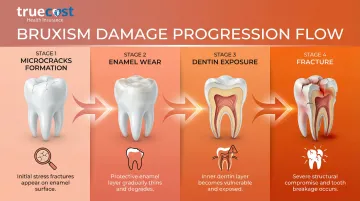
Many people don't realize they grind until a dentist notices the obvious flat, worn surfaces.
Acidic and Sugary Foods and Drinks
Beyond mechanical forces, chemical erosion silently destroys tooth structure. Enamel begins dissolving at a pH of 5.5, yet 93% of commercially available beverages in the U.S. have a pH below 4.0—making them highly erosive.
Common culprits:
- Citrus fruits and juices
- Soda and energy drinks
- Wine (both red and white)
- Sports drinks
- Apple cider vinegar
Sugary foods create a double threat: they feed bacteria that produce acid as a byproduct, creating an acidic environment that erodes enamel while simultaneously promoting decay.
Large or Old Dental Fillings
Teeth with extensive fillings become structurally weaker over time. Large fillings (especially those spanning multiple tooth surfaces) can reduce strength to just one-third of a sound tooth.
Fillings compromise tooth strength in several ways:
- Remove significant tooth structure to accommodate filling material
- Metal amalgam fillings expand and contract differently than natural teeth with temperature changes
- This differential movement creates stress fractures at the filling-tooth interface
- Older fillings may develop gaps where bacteria enter, causing decay beneath the filling
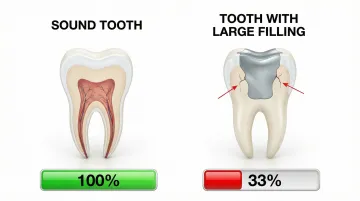
Even modern composite fillings can only restore about 88% of a sound tooth's stiffness.
Nutritional Deficiencies and Medications
Your teeth are living structures that require proper nutrition to maintain strength.
Critical nutrients for tooth health:
- Calcium - Primary mineral building block of teeth and bone
- Vitamin D - Essential for calcium absorption and mineralization; severe deficiency causes poorly mineralized teeth that are prone to fracture
- Vitamin K - Supports proper mineralization of dental tissues
How medications weaken teeth:
Over 400 medications cause dry mouth (xerostomia), including antidepressants, blood pressure medications, antihistamines, and opioids. Saliva neutralizes acids and aids remineralization—without adequate saliva, teeth become vulnerable to erosion and decay.
Other medications interfere with calcium absorption or bone metabolism, indirectly affecting tooth strength over time.
Genetic Factors and Aging
Some people are born with inherently weaker tooth structure.
Amelogenesis imperfecta (AI) affects enamel formation in 1:700 to 1:14,000 people. Results in thin, soft enamel that chips and breaks easily.
Dentinogenesis imperfecta (DI) affects the dentin layer beneath enamel in 1:6,000 to 1:8,000 individuals. Causes weak, discolored teeth prone to breakage.
Natural aging takes its toll. Enamel thins over decades of use. Dentin becomes more brittle. Research shows older enamel has significantly lower fracture toughness compared to younger tissue.
Poor Oral Hygiene and Bite Problems
Inadequate brushing and flossing allow bacteria and acid to damage teeth, while over-brushing with hard-bristled brushes can actually erode enamel.
Bite problems create uneven stress:
- Misaligned teeth concentrate chewing forces on specific teeth
- TMJ disorders cause abnormal jaw movements that stress teeth unevenly
- Missing teeth force remaining teeth to handle extra pressure
- These uneven forces make certain teeth prone to cracking and breaking
What Happens If Breaking Teeth Are Ignored
Ignoring broken teeth leads to complications that worsen rapidly over time.
Infection and Abscess Formation
Breaks expose the inner tooth structure to bacteria, creating a pathway for infection. Once bacteria reach the pulp (nerve chamber), painful infections develop that can spread to surrounding tissues.
Untreated dental conditions result in nearly 2 million emergency department visits annually in the U.S., with the highest rates among adults aged 25-34. Most receive only symptomatic relief—pain medication and antibiotics—rather than definitive treatment.
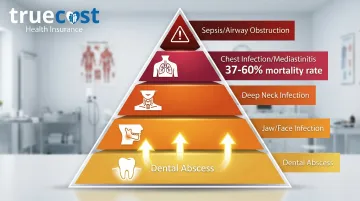
Without proper treatment, infections can become life-threatening:
- Dental abscesses spreading to the jaw and face
- Deep neck infections
- Descending necrotizing mediastinitis (chest infection with 37-60% mortality rate)
- Sepsis (life-threatening systemic infection)
- Airway obstruction
Chain Reaction of Additional Breaks
Once one tooth breaks, bite forces redistribute unevenly across remaining teeth, putting extra stress on neighbors that may already be weakened by the same underlying causes.
Multiple teeth often break in succession—a domino effect that accelerates when the root cause isn't addressed. Each additional break further destabilizes your bite, creating a vicious cycle.
Difficulty Eating and Nutritional Impact
Broken teeth make chewing painful or impossible, forcing you to avoid certain foods. People typically eliminate hard, fibrous foods first—fresh fruits, vegetables, and meats—in favor of softer processed foods.
This dietary shift can lead to nutritional deficiencies that further weaken remaining teeth, creating another vicious cycle. In older adults, tooth loss is a significant risk factor for malnutrition and weight loss.
Systemic Health Complications
Chronic dental infections and inflammation increase risk of serious health conditions:
- Cardiovascular disease
- Respiratory infections
- Diabetes complications (bidirectional relationship)
- Pregnancy complications
Many Medicare Advantage and ACA marketplace plans now include dental benefits for preventive care. Coverage options vary, so checking what dental services your plan includes can help catch problems early.
Warning Signs Your Teeth Are Becoming Fragile
Watch for these early indicators:
- Sudden sensitivity to hot or cold that disappears quickly
- Sharp pain when biting down or releasing pressure ("rebound pain")
- Visible cracks, chips, or craze lines
- Teeth feeling rough or sharp-edged
- Discoloration or translucency at tooth edges
- Dull ache in teeth or jaw
Catching these signs early allows for preventive treatment before major breaks occur, saving you pain, time, and money.
How to Prevent Teeth from Breaking
Protecting your teeth from breaking requires addressing multiple risk factors—from daily habits to nutritional support. Here's how to strengthen your defenses.
Practice Proper Oral Hygiene
The right balance matters:
- Brush twice daily for two minutes with fluoride toothpaste (1,000-1,500 ppm)
- Use soft-bristled toothbrushes with gentle circular motions
- Floss once daily to remove plaque between teeth
- Schedule dental checkups every 6 months for professional cleanings
Why soft-bristled brushes? Hard bristles can erode enamel and damage gums, especially with excessive pressure. Soft bristles remove plaque effectively without wearing down your teeth.
Critical timing tip: Don't brush immediately after acidic foods or drinks. Rinse with water first. Wait 30-60 minutes before brushing, since acid temporarily softens enamel and makes it vulnerable to damage.
Wear a Nightguard If You Grind Your Teeth
Custom-fitted nightguards from your dentist protect teeth during sleep by cushioning grinding forces and preventing direct tooth-to-tooth contact.
Nightguard options:
- Custom guards (from dentist) - Best protection and comfort, precisely fitted to your teeth
- Over-the-counter guards - Less expensive but may not fit as well or provide optimal protection
Reduce grinding behavior:
- Practice stress management techniques (meditation, exercise, therapy)
- Avoid caffeine and alcohol, especially in the evening
- Establish a relaxing bedtime routine
Modify Your Diet
Limit acidic beverages:
- Reduce consumption of soda, energy drinks, wine, and citrus juices
- Rinse mouth with water after consuming acidic foods
- Use a straw to minimize contact with teeth
- Consume acidic foods with meals rather than alone (saliva production increases during meals)
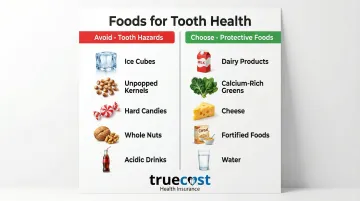
Just as important: avoid foods that can crack teeth on contact.
Skip these tooth hazards:
- Ice cubes and unpopped popcorn kernels
- Hard candies and jaw breakers
- Whole nuts (choose sliced or chopped instead)
Protective foods: Dairy products rich in calcium and phosphate help protect against erosion and promote enamel repair.
Address Nutritional Deficiencies
Ensure adequate intake of:
- Calcium - 1,000-1,200 mg/day from dairy, leafy greens, fortified foods, or supplements
- Vitamin D - 600-800 IU/day from sunlight exposure, fatty fish, fortified milk, or supplements
- Vitamin K - Found in leafy greens, broccoli, and fermented foods
Consider getting blood work done if your teeth are becoming fragile. Your doctor can identify specific deficiencies and recommend appropriate supplementation.
Stay Hydrated and Manage Dry Mouth
Saliva neutralizes acids and provides minerals that help repair early enamel damage. It's your mouth's natural defense system.
Strategies for managing dry mouth:
- Sip water throughout the day
- Use alcohol-free mouthwash (alcohol dries mouth further)
- Chew sugar-free gum with xylitol to stimulate saliva production
- Avoid caffeine and alcohol
- Use a humidifier at night
- Discuss medication-induced dry mouth with your doctor to explore alternatives
Treatment Solutions for Broken Teeth
Treatment depends on the extent of damage and the underlying cause. Acting quickly prevents further complications—and saves you money compared to delayed intervention.
Dental Bonding for Minor Chips
Composite resin can repair small chips and cracks in a single visit. Your dentist applies tooth-colored resin, shapes it to match your tooth, and hardens it with a special light.
Bonding details:
- Lifespan: 5-7 years with proper care
- Cost range: $100-$400 per tooth
- Best for: Small cosmetic chips and minor damage not affecting tooth structure
Dental Crowns for Moderate to Severe Breaks
Crowns cap and protect damaged teeth, restoring both function and appearance. They're essential for teeth with extensive damage, large fillings, or following root canal treatment.
Crown materials and characteristics:
| Material | Pros | Cons | Ideal Placement |
|---|---|---|---|
| Porcelain-fused-to-metal (PFM) | Strong, natural appearance, ~99.5% 5-year survival rate | Metal may show at gum line | Back teeth |
| All-ceramic/porcelain | Most natural appearance, no metal | Less strong than PFM, ~92% 5-year survival | Front teeth |
| Zirconia | Extremely strong, natural color, high survival rates | More expensive | Any tooth |
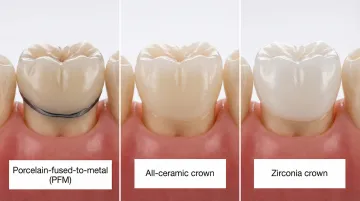
Typical costs: $800-$3,000 per crown, depending on material and location.
Root Canal Treatment When Pulp Is Affected
Sometimes a crown alone isn't enough. When a break exposes or infects the tooth's pulp (nerve and blood vessels), root canal therapy becomes necessary. The procedure removes infected tissue, disinfects the canal system, and seals the space.
Root canal facts:
- Requires a crown for protection
- High survival rates (84-97% at 5-10 years) when properly restored
- Cost range: $700-$1,500, depending on tooth location
With proper care, root canal-treated teeth often last 10-15 years or longer.
Dental Implants or Bridges for Tooth Loss
In cases where even root canal therapy can't save the tooth, replacement becomes necessary. Your options include:
Dental Implants:
- Titanium post surgically placed in jawbone
- Permanent replacement that functions like natural tooth
- 10-year survival rate >90%; 20-year survival ~80%
- Most expensive option but longest-lasting
Dental Bridges:
- Uses adjacent teeth for support
- Less invasive than implants
- More affordable
- Requires modifying neighboring teeth
Accessing Affordable Dental Care
These treatment costs add up quickly, creating a barrier for many Americans. The good news? Some health insurance plans include dental coverage that reduces out-of-pocket expenses.
Coverage options to explore:
- Medicare Advantage plans with supplemental dental benefits for preventive and restorative care
- ACA marketplace plans with embedded or add-on dental coverage
- Standalone dental insurance plans provide coverage for major procedures
Licensed insurance advisors explain what dental benefits are included in your health coverage options and whether you qualify for low-cost or no-cost plans. Call 1-888-788-8285 to check your eligibility—80% of people qualify for plans starting at $0/month.
Tips for Long-Term Dental Health
Preventing tooth fractures requires more than quick fixes. Building consistent habits protects your teeth for decades and catches problems before they become expensive emergencies.
Key practices for lasting dental strength:
- Regular dental visits every 6 months for professional cleanings and early problem detection
- Replacing old amalgam fillings with composite alternatives reduces stress fractures—discuss timing and benefits with your dentist
- Orthodontics or TMJ treatment corrects bite problems that cause uneven force distribution
- Chronic conditions like diabetes, osteoporosis, and acid reflux weaken tooth structure—coordinate care between your doctor and dentist
- Health plans with dental coverage make consistent preventive care affordable, reducing long-term treatment costs
- Never use teeth as tools for opening packages, bottles, or cracking nuts
- Wear a mouthguard during contact sports to prevent traumatic fractures
Many Americans avoid regular dental care due to cost concerns. If you're uninsured or underinsured, comprehensive health plans often include dental benefits as supplemental coverage. TrueCost Group helps connect individuals with ACA marketplace plans and Medicare Advantage options that cover preventive dental services—80% of clients qualify for plans starting at $0/month. Call 1-888-788-8285 to explore coverage options that make long-term dental health accessible.
Frequently Asked Questions
Why are my teeth becoming so fragile?
Fragile teeth typically result from enamel erosion (from acids, grinding, or aging), nutritional deficiencies (calcium, vitamins D and K), medications causing dry mouth, or genetic conditions. Schedule a dental exam to identify your specific risk factors.
How to fix crumbling teeth?
Treatment depends on severity: bonding ($100-$400) for minor damage, crowns ($800-$3,000) for moderate damage, or root canals ($700-$1,500) and implants for severe cases. Your dentist will recommend the best option based on examination.
Can breaking teeth be a sign of a serious health problem?
Yes. Frequent breakage can indicate osteoporosis, vitamin deficiencies, uncontrolled diabetes, eating disorders, or acid reflux. Discuss the pattern with your dentist and doctor to rule out systemic conditions.
How much does it cost to fix a broken tooth?
Costs range from $100-$400 for bonding to $3,000-$6,000 for implants, with crowns ($800-$3,000) and root canals ($700-$1,500) in between. Health insurance plans with dental benefits can significantly reduce out-of-pocket costs.
Should I see a dentist immediately if my tooth breaks?
Seek immediate care for severe pain, unstoppable bleeding, sharp edges cutting your mouth, or infection signs (fever, swelling, pus). Otherwise, schedule an appointment within a few days. Save broken pieces and rinse with warm water.
Can I prevent my teeth from breaking if they've already started?
Yes. Addressing underlying causes (grinding, acidic diet, nutritional deficiencies) can stop progression. Repair existing damage promptly to prevent additional breaks, and work with your dentist to create a prevention plan tailored to your risk factors.