Dental insurance lives in its own category because teeth and gums require specialized care that falls outside standard medical protocols. Most health plans were built around hospital visits, surgeries, and prescription medications.
Dental work follows a different model with preventive check-ups, routine cleanings, and procedures that rarely involve emergency rooms. The costs are predictable and spread across the year in ways that make separate coverage more practical.
Insurance companies saw this distinction decades ago and created standalone dental plans with lower premiums and simpler structures.
This separation also keeps your medical insurance affordable by removing a category of care that almost everyone needs on a regular basis. We'll walk through the historical reasons, the cost structures, and what this means for choosing the right coverage.
Key Takeaways:
Dental and medical insurance split in the 1800s when physicians rejected dentistry from medical schools.
Dental costs are predictable and routine, while medical expenses can spike into catastrophic amounts.
40% of adults with health insurance still skip regular dental care despite having coverage.
Standard dental plans cap annual benefits at $1,000-$2,000 with six-month waiting periods for major work.
TrueCost Group offers HealthSpring PPO plans with zero waiting periods and $5,000 annual coverage limits.
The Historical Reason Why Dental and Medical Insurance Are Separate
The roots of this separation go back almost 200 years. In 1840, the Baltimore College of Dental Surgery became the first dental school in the United States. It wasn't created as part of a medical school.
Physicians at the University of Maryland's medical school had refused to include dentistry in their program. That decision set the stage for decades of separation.
By the early 1900s, medicine and dentistry had become two separate professions with separate schools, licensing, and professional associations.
Dentists were viewed as skilled craftsmen who focused on teeth. Medical doctors handled everything else in the body. When health insurance plans emerged in the 1930s, they naturally followed this divide.
Medical insurance protected people from catastrophic expenses like hospital stays and surgeries. Dentistry didn't fit that model because most dental needs were routine and predictable.
5 Reasons Why Dental Insurance Is Still Separate From Health Insurance
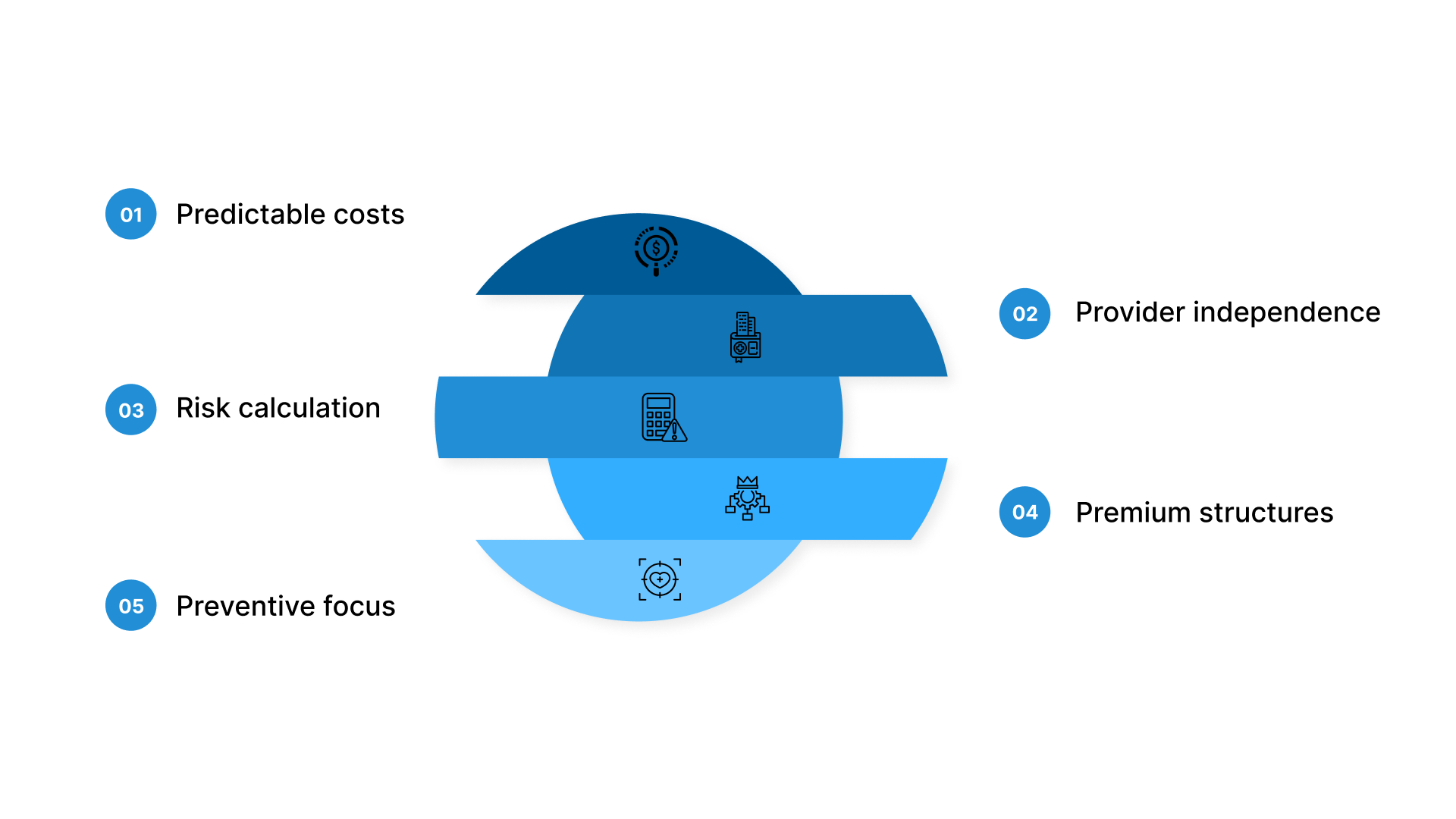
The separation between dental and medical coverage persists because each system operates with different economics, provider networks, and claim patterns. There are 5 main reasons that keep these insurance types apart:
Predictable costs: Dental expenses follow a consistent pattern with biannual cleanings and occasional restorative work. Medical costs can spike unpredictably into six figures.
Provider independence: Dentists typically run private practices with specialized equipment and unique billing codes. Hospitals and medical groups operate under different organizational structures and payment models.
Risk calculation: Insurers can forecast dental claims with high accuracy using historical data and age demographics. Medical claims vary wildly based on accidents, chronic conditions, and unexpected diagnoses.
Premium structures: Dental plans charge lower monthly fees because maximum annual payouts rarely exceed a few thousand dollars. Medical plans need higher premiums to cover potentially unlimited treatment costs.
Preventive focus: Dental insurance emphasizes regular maintenance to avoid expensive procedures down the line. Medical insurance primarily addresses problems after they occur or become symptomatic.
Why It's High Time to Invest in Dental Insurance
A recent survey from the PAN Foundation reveals that roughly 40% of adults with health insurance skip regular dental care. The same research shows troubling consequences for those who avoid the dentist.
About one-third of insured adults without routine dental visits report experiencing deteriorating dental health. 36 percent have experienced worsening dental issues, while 35 percent have lost teeth due to inconsistent access to care.
These numbers highlight a simple truth: having health insurance doesn't protect your teeth. Dental problems don't resolve on their own, and waiting only makes them more expensive to fix. Here's what dental insurance provides:
Preventive care coverage: Most plans cover two annual cleanings and exams at 100 percent with no out-of-pocket costs. Catching cavities early prevents root canals later.
Predictable expenses: Dental insurance turns unpredictable dental costs into manageable monthly premiums. You know what you'll pay instead of facing surprise bills.
Access to networks: Insured patients get negotiated rates with in-network dentists, often saving 20 to 50 percent on procedures. These discounts apply even before hitting your deductible.
Major work coverage: Root canals, crowns, and extractions are partially covered, typically at 50 to 80 percent. Without insurance, a single crown can cost over $800-2,500 out of pocket.
Long-term savings: Regular cleanings prevent gum disease and tooth decay that lead to expensive interventions. Spending $30 monthly beats paying $3,000 for an emergency procedure.
How to Choose the Right Dental Insurance Plan for Your Budget?
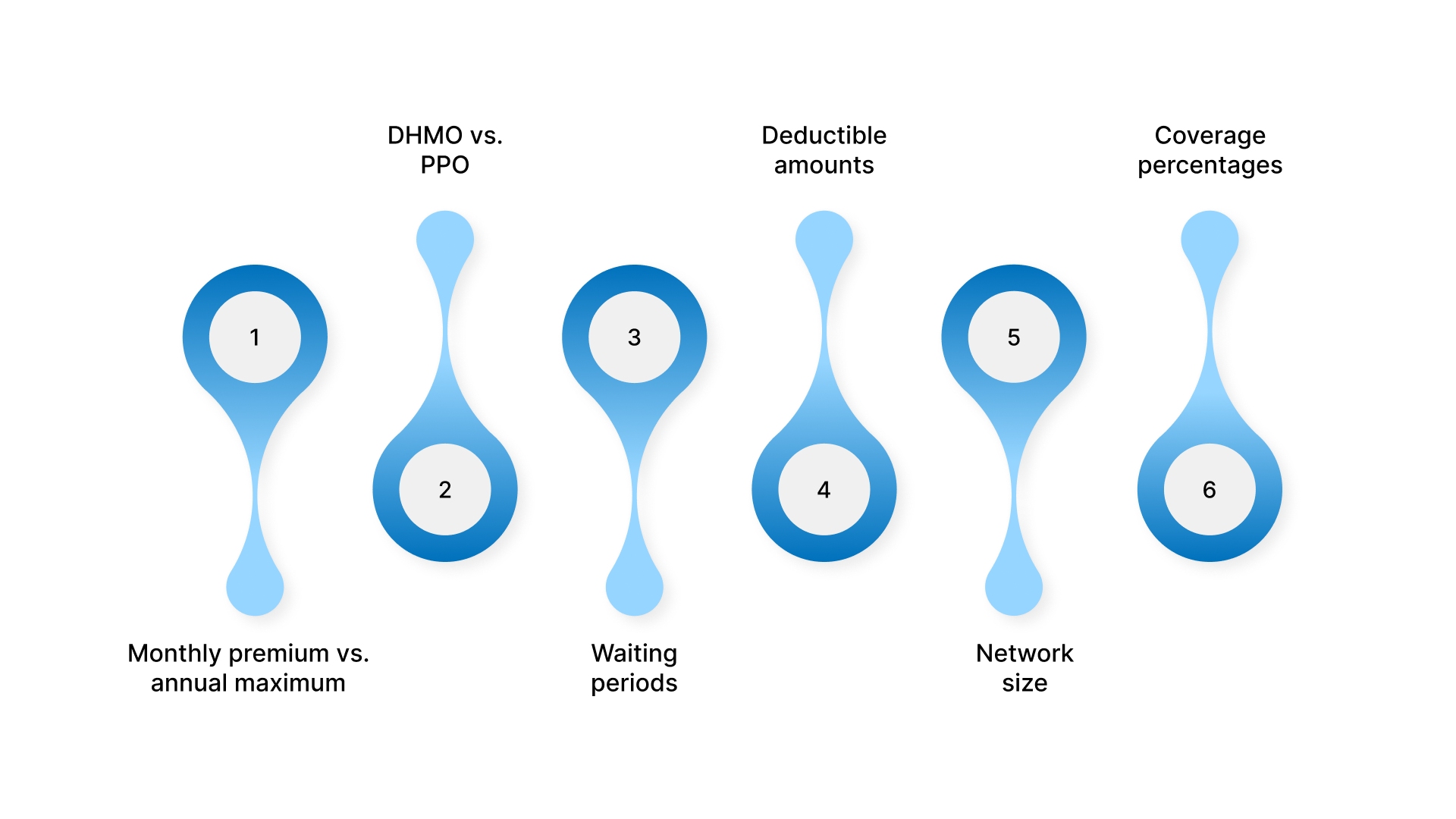
Choosing dental insurance comes down to balancing monthly costs with the coverage you'll use. The right plan depends on how often you visit the dentist, whether you have a preferred provider, and what procedures you anticipate needing.
Monthly premium vs. annual maximum: Lower premiums often mean lower annual benefit caps, typically between $1,000 and $2,000. Calculate whether the premium savings outweigh potential out-of-pocket costs for major work.
DHMO vs. PPO: Dental Health Maintenance Organizations require you to choose a primary dentist from their network and get referrals for specialists. Preferred Provider Organizations let you see any dentist, but offer better rates with in-network providers.
Waiting periods: Many plans impose waiting periods of three to 12 months for major procedures like crowns or root canals. If you need immediate work, look for plans with minimal or no waiting periods.
Deductible amounts: Plans with higher deductibles charge lower monthly premiums but require more upfront payment before coverage kicks in. Consider your financial cushion when deciding between options.
Network size: Check whether your current dentist accepts the plan or if you're comfortable switching providers. Larger networks offer more choices, but sometimes at slightly higher premium costs.
Coverage percentages: Standard plans cover preventive care at 100 percent, basic procedures at 80 percent, and major work at 50 percent. Some budget plans reduce these percentages to lower premiums.
TrueCost Group: Your Direct Path to Immediate Dental Coverage
TrueCost Group connects you with HealthSpring PPO dental plans that eliminate the usual barriers to quality care. We specialize in high-limit coverage that starts working from day one, paired with simple enrollment through the messaging apps you already use.
Zero waiting periods: Start using your benefits immediately for major procedures like root canals, crowns, and bridges. No six-month delays before accessing the care you need.
Coverage up to $5,000 annually: Handle extensive dental work without hitting low benefit caps that leave you paying thousands out of pocket. Higher limits mean better protection for complex treatments.
National PPO network: Choose from over 85,000 dentists across the country who offer negotiated rates to HealthSpring members. Freedom to see specialists without referrals or network restrictions.
Messenger-based enrollment: Complete your entire application through WhatsApp or Facebook Messenger in minutes. Skip the lengthy paperwork and get covered through simple back-and-forth conversations.
Month-to-month flexibility: No long-term contracts lock you into coverage you might not need later. Adjust or cancel anytime without penalties or complicated cancellation processes.
Expert guidance included: Get personalized help from real people who understand dental insurance and answer your questions in plain language. We explain your options, so you can make informed decisions.
We are here to make dental insurance work the way it should: simple, accessible, and ready when you need it. HealthSpring PPO plans through our platform give you the protection and flexibility that traditional insurance companies often complicate with red tape and restrictions.
Connect with us today to explore coverage options that fit your budget and start protecting your dental health without delay.
Conclusion
Dental insurance operates separately from health insurance because the two systems evolved to address different types of care with different cost structures.
Dental plans focus on predictable, routine maintenance that prevents expensive emergency procedures. When you recognize how dental coverage works, you can choose plans that protect your oral health without overpaying.
TrueCost Group helps you enroll in HealthSpring PPO dental plans through a simple messaging-based process.
We eliminate waiting periods, provide access to high annual limits up to $5,000, and simplify enrollment through messaging apps you use daily. Our team guides you to the right plan based on your budget and dental needs, not what generates the highest commission.
Get in touch today to explore your options and secure coverage that protects your smile.
FAQs
1. Why is dental insurance separate from health insurance instead of being bundled together?
Dental care relies on predictable preventive visits and capped yearly benefits, while health insurance covers unpredictable, high-cost medical treatments.
2. Does separating dental insurance lower overall health insurance premiums?
Yes. Keeping routine dental claims out of medical risk pools helps stabilise health plan pricing for hospital and specialist care.
3. Can dental coverage be added to a health insurance policy?
Some insurers offer bundled options, but underwriting, provider networks, and benefit limits are usually still managed separately.
4. Are dental insurance annual maximums the reason it is separate?
Annual maximums reflect controlled, forecastable costs, which differ from open-ended medical coverage structures.
5. If dental insurance is separate, does medical insurance cover oral surgery?
Complex oral surgeries tied to medical conditions may fall under health insurance, while routine dental procedures remain under dental plans.