
Many people struggle with determining the right cleaning frequency for their specific situation. Some assume the six-month rule applies universally, while others with active gum disease may not realize they need more frequent care. With 42.2% of U.S. adults aged 30 and older affected by periodontitis, nearly half the adult population requires active disease management rather than simple prevention.
This article breaks down evidence-based recommendations for professional cleaning schedules, explains the factors that determine your personal needs, and helps you understand when to adjust your frequency based on your oral health status.
Key Takeaways
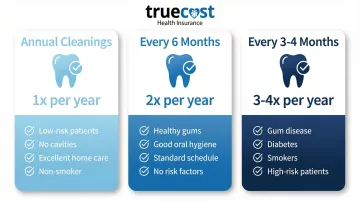
- Most adults with healthy gums need cleanings every 6 months
- High-risk patients (gum disease, diabetes, smokers) need cleanings every 3-4 months
- Low-risk individuals with excellent oral hygiene may only need annual cleanings
- Regular cleanings prevent expensive procedures and reduce risk of heart disease and stroke
- Most dental insurance covers two preventive cleanings per year at 100% with no out-of-pocket cost
Why Regular Professional Cleanings Matter
Professional dental cleanings remove plaque and tartar buildup that brushing and flossing alone cannot reach, especially below the gumline.
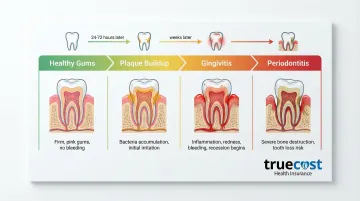
Even with diligent home care, bacterial biofilm hardens into calculus within 24-72 hours, creating rough surfaces that attract more plaque and irritate gum tissue.
Regular cleanings prevent gingivitis from progressing to periodontitis, a serious gum disease that affects nearly half of American adults over 30.
Left untreated, periodontitis causes irreversible damage to the soft tissue and bone supporting your teeth, eventually leading to tooth loss.
The connection between oral health and overall health is significant:
- Periodontitis increases risk of cardiovascular death by 102% and ischemic stroke by 51%
- Gum disease complicates diabetes management and blood sugar control
- Emerging research links periodontal disease to increased dementia risk
- Oral inflammation contributes to systemic inflammation throughout the body
Beyond these health risks, preventive care provides measurable cost savings. Research on Medicaid enrollees found that patients with five years of continuous preventive care had 43% lower total dental costs than those without preventive visits. These patients were also 8 times less likely to visit the emergency department for dental conditions and 7 times less likely to require oral surgery.
Regular cleanings offer another preventive benefit: oral cancer screenings during the visual examination. Early detection of potentially malignant lesions significantly improves treatment outcomes, making routine visits a comprehensive preventive health measure that extends beyond just cleaning your teeth.
Recommended Cleaning Frequency Based on Your Situation
The American Dental Association doesn't support a rigid "one-size-fits-all" interval. Instead, your cleaning schedule should be tailored to your individual needs, risk factors, and current oral health status.
Standard Schedule: Every 6 Months
Most adults with healthy mouths follow this schedule if they have:
- Healthy gums with no bleeding or inflammation
- No history of frequent cavities
- Good home oral hygiene (brushing twice daily, flossing daily)
- No systemic health conditions affecting oral health
- No smoking or tobacco use
Research shows little to no difference in outcomes between 6-month and risk-based recall intervals for healthy adults with low disease risk. For these individuals, twice-yearly cleanings plus daily brushing and flossing maintain optimal oral health.
More Frequent: Every 3-4 Months
You'll need more frequent visits if you have:
- Active gum disease (periodontitis) or history of periodontal treatment
- Frequent cavities despite good home care
- Diabetes or other conditions affecting immune function
- Dry mouth from medications or medical conditions
- Smoking or tobacco use
- Weakened immune system
These individuals experience faster plaque and tartar accumulation and face higher risk for oral health complications.
The American Academy of Periodontology suggests that patients with a history of periodontitis may require visits every 3 months initially, with evidence showing shorter intervals favor higher tooth retention rates.
Dentists call this "periodontal maintenance"—active disease management rather than prevention.
Less Frequent: Annual Cleanings
Recent research suggests some low-risk individuals with exceptional oral hygiene may only need annual cleanings. Consider annual visits only if you have:
- No cavities in the past several years
- No gum disease or bleeding gums
- No risk factors (non-smoker, no diabetes, no dry mouth)
- Exceptional home care habits with proper technique
Important: Consult with a dentist who has thoroughly evaluated your oral health before switching to annual visits. Most people overestimate the quality of their home care, making professional assessment essential.
Special Populations: Children and Seniors
Age affects your ideal cleaning schedule too.
Children should start dental visits by age 1 and typically need cleanings every 6 months. Early visits establish good habits, allow monitoring of tooth development, and provide opportunities for preventive treatments like sealants and fluoride applications.
Seniors often need more frequent visits, especially those who:
- Take multiple medications causing dry mouth
- Have declining manual dexterity affecting brushing quality
- Live with cognitive impairment or dementia
- Have a history of root caries or gum recession
High-risk seniors should consider a 3-4 month recall interval.
Additional preventive measures like high-fluoride toothpaste and fluoride varnish applications can help protect teeth between visits.
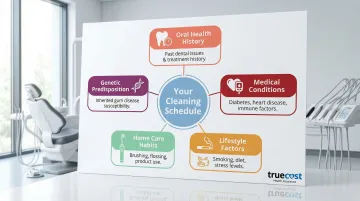
Factors That Determine Your Personal Cleaning Schedule
Your dentist assesses multiple factors to recommend the optimal cleaning frequency for your specific situation.
Oral Health History
Your past dental experience is one of the strongest predictors of future risk:
- Previous cavities - Multiple cavities indicate higher susceptibility to decay
- Gum disease history - Past periodontitis means you'll need continued professional monitoring
- Tooth loss - Missing teeth often signal advanced disease
- Dental work - Crowns, bridges, and implants create additional areas that need professional attention
If you have extensive dental history, expect more frequent visits to prevent recurrence and protect existing work.
Medical Conditions
Certain health conditions affect your oral health and cleaning schedule:
- Diabetes - Increases gum disease risk and slows healing
- Heart disease - Connected to gum disease, requiring coordinated medical and dental care
- Autoimmune disorders - Sjögren's syndrome causes dry mouth, raising cavity risk
- Osteoporosis - Affects jaw bone density and may increase periodontal disease risk
- Cancer treatments - Chemotherapy and radiation often cause oral complications
These conditions typically mean 3-4 month cleaning intervals. Your dental and medical teams should coordinate care.
Many Medicare Advantage and ACA marketplace plans include dental benefits that cover these more frequent cleanings when medically necessary.
Lifestyle Factors
Daily habits significantly influence oral health risk:
- Smoking/tobacco use - Dramatically increases gum disease risk and masks symptoms by reducing bleeding
- Heavy alcohol consumption - Increases oral cancer risk and often accompanies poor oral hygiene
- High-sugar diet - Frequent carbohydrate and sugar consumption drives cavity formation
- Stress - Can lead to teeth grinding, poor dietary choices, and neglected oral hygiene
If these apply to you, you'll likely need more frequent cleanings to counteract the damage.
Home Care Habits
The quality of your daily oral hygiene directly impacts cleaning frequency needs:
Ask yourself:
- Do you brush twice daily with fluoride toothpaste using proper technique?
- Do you floss daily, reaching below the gumline?
- Do you use antimicrobial mouthwash?
- Is your water fluoridated?
Poor home care creates a vicious cycle where professional cleanings can't keep pace with daily neglect. Conversely, exceptional home care may allow for longer intervals between visits.
Genetic Predisposition
Some people are genetically more prone to plaque buildup, cavities, or gum disease regardless of good habits. If you consistently develop problems despite excellent oral hygiene, you may have inherited risk factors that mean you need more frequent visits.
Your dentist can identify these patterns through consistent monitoring and adjust your schedule accordingly.
Signs You May Need More Frequent Cleanings
Pay attention to these warning signs that indicate your current cleaning schedule isn't adequate:
Observable symptoms you can notice at home:
- Bleeding gums when brushing or flossing
- Persistent bad breath that doesn't improve with oral hygiene
- Gum recession or teeth appearing longer than before
- Tooth sensitivity to hot or cold temperatures
- Pain when chewing or biting down
- Changes in how your teeth fit together when you bite
Clinical indicators your dentist may find:
- Periodontal pockets measuring 4mm or greater with bleeding
- Loose teeth or teeth that have shifted position
- Visible tartar buildup, especially near the gumline
- Frequent new cavities at checkups despite good home care
- Generalized moderate to severe gum inflammation
Research shows that bleeding on probing affecting more than 30% of sites indicates higher risk for disease recurrence and requires increased supportive care frequency.
If you notice any of these signs, schedule a dental appointment to discuss adjusting your cleaning frequency. Many ACA marketplace and Medicare Advantage plans include dental benefits that can make more frequent cleanings affordable—something particularly important if you're experiencing these warning signs.
What Happens During a Professional Dental Cleaning
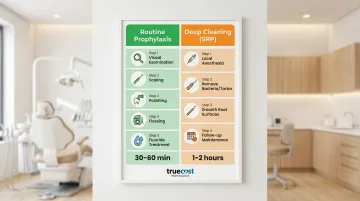
Routine Prophylaxis (Standard Cleaning)
This preventive procedure is designed for patients without active gum disease:
- Visual examination - Checking for cavities, oral cancer signs, and gum health
- Scaling - Removing plaque and tartar from tooth surfaces using hand instruments or ultrasonic scalers
- Polishing - Buffing teeth with gritty paste to remove surface stains
- Flossing - Cleaning between teeth and below the gumline
- Fluoride treatment - Optional protective coating to strengthen enamel
Routine cleanings typically take 30-60 minutes and are generally painless, though you may feel scraping sensations or brief discomfort with sensitive areas.
Deep Cleaning (Scaling and Root Planing)
This therapeutic procedure treats patients with active gum disease:
- Local anesthesia ensures comfort during deep cleaning below the gumline
- Removes bacteria and tartar from root surfaces below the gumline
- Root surfaces are smoothed to remove toxins and prevent bacteria buildup
- Multiple appointments are common, with treatment performed one section of your mouth at a time
- Includes follow-up care with periodontal maintenance every 3-4 months
Deep cleanings treat existing disease rather than preventing it. This makes them more intensive, time-consuming, and expensive than standard cleanings.
Cost Considerations and Making Cleanings Affordable
Professional cleaning costs vary by procedure type and geography, but most insurance plans cover preventive care extensively.
Typical Costs Without Insurance
Routine cleaning: The average cost is approximately $104, though this varies by region and provider. Costs typically range from $75-$200 depending on your location and the complexity of your case.
Deep cleaning (scaling and root planing): Costs range from $150-$350 per quadrant. Since treatment usually requires all four quadrants, total costs can reach $600-$1,400 for complete therapy.
Insurance Coverage
Most dental insurance plans provide excellent preventive coverage:
- Two routine cleanings per year covered at 100% with no out-of-pocket cost
- No deductible required for preventive services in most plans
- Additional cleanings may be covered with documentation of medical necessity (such as active gum disease)
Medicare Advantage plans offer particularly strong dental benefits. 94% of Medicare Advantage enrollees have access to dental coverage, with 100% of these plans covering oral exams and cleanings.
Nearly two-thirds (64%) of enrollees pay $0 cost sharing for preventive services.
ACA Marketplace plans also include dental options. Stand-alone dental plans available through HealthCare.gov cover routine preventive services at 100%, often with no coinsurance after meeting the deductible.
For Americans without dental insurance, organizations like TrueCost Group help connect individuals with affordable health plans that may include dental coverage. Many people don't realize they qualify for subsidized marketplace plans.
With 80% of their clients qualifying for plans starting at $0-$50 per month, exploring these options can make regular preventive care affordable for uninsured or underinsured individuals.
Making Cleanings Affordable
Beyond insurance options, several resources can reduce out-of-pocket costs:
- Payment plans or in-house discount programs from your dentist
- Dental schools offering reduced-cost services with supervised students
- Community health centers with sliding-scale fees based on income
- Dental savings plans offering discounted membership rates
- Contact TrueCost Group at 1-888-788-8285 to learn about health insurance options that include dental benefits
Remember that preventive care is always less expensive than restorative treatment. The cost of two annual cleanings ($150-$400) is far less than treating a single cavity ($200-$600) or managing gum disease ($600-$1,400+).
Frequently Asked Questions
Can I get my teeth cleaned more than twice a year?
Yes, you can get cleanings more frequently if your dentist recommends it for gum disease or high risk factors. Insurance typically covers only two preventive cleanings per year, so additional visits may require out-of-pocket payment unless medically necessary.
What happens if I skip my dental cleaning?
Skipping cleanings allows plaque to harden into tartar that you cannot remove at home, increasing your risk of cavities and gum disease. This can lead to tooth loss, infections, and expensive treatments that become more extensive the longer you wait.
Does dental insurance cover professional cleanings?
Most dental insurance plans cover two routine preventive cleanings per year at 100% with no deductible. Many ACA marketplace plans and Medicare Advantage plans also include dental benefits—TrueCost Group can help you find plans with preventive coverage at $0-$50/month.
How much does a professional teeth cleaning cost without insurance?
Routine cleanings typically cost $75-$200, while deep cleanings for gum disease cost $150-$350 per quadrant ($600-$1,400 for full mouth treatment). Many dental offices offer payment plans or discount programs for uninsured patients.
Are dental cleanings painful?
Routine cleanings are generally not painful, though you may feel discomfort if you have sensitive teeth or inflamed gums. Dentists use local anesthesia for deep cleanings to ensure comfort during more intensive work.
How long does a typical dental cleaning appointment take?
Routine cleanings take 30-60 minutes, while deep cleanings may require 1-2 hours per visit and multiple appointments to complete.
The bottom line: Your ideal professional cleaning frequency depends on your individual oral health status, medical conditions, and risk factors. While six months is a reasonable starting point for most healthy adults, don't hesitate to adjust your schedule based on your dentist's recommendations and your personal needs. Regular preventive care protects not just your teeth and gums, but your overall health and financial wellbeing.