Many Americans skip dental visits entirely, citing cost, lack of insurance, or the belief that their teeth "feel fine." According to recent data, approximately 45% of the U.S. population visited a dentist in 2022, meaning more than half went without professional care. This gap is particularly stark among the uninsured: only 15.2% of uninsured adults visited a dentist, compared to 53.1% of those with private coverage.
Delaying dental care isn't just bad for your teeth—it's costly. Small cavities become root canals, minor gum inflammation progresses to bone loss, and oral cancer caught late has far worse outcomes than early-stage detection. This article explains how often you should realistically visit the dentist, which factors change that frequency, and what's at stake when you skip appointments.
Key Takeaways
- Most adults should visit the dentist at least once a year; twice yearly is standard for early detection and plaque management
- High-risk groups (smokers, diabetics, those with gum disease history) often need visits every 3–4 months
- Skipping visits leads to costly treatments and raises risk for serious conditions like heart disease and diabetes complications
- Warning signs like bleeding gums or persistent sores mean you shouldn't wait for your next scheduled appointment
- Dental coverage significantly raises visit rates—69.6% of insured seniors saw a dentist vs. 56.4% of uninsured seniors
How Often Should You Visit the Dentist?
The "Twice a Year" Standard: Marketing, Not Medicine
The recommendation to see your dentist every six months didn't originate in a research lab—it came from advertising. The phrase first appeared in 19th-century household guides and was later popularized by toothpaste companies like Pepsodent starting in 1926. Systematic reviews have found no specific scientific evidence supporting a universal six-month interval for all patients.
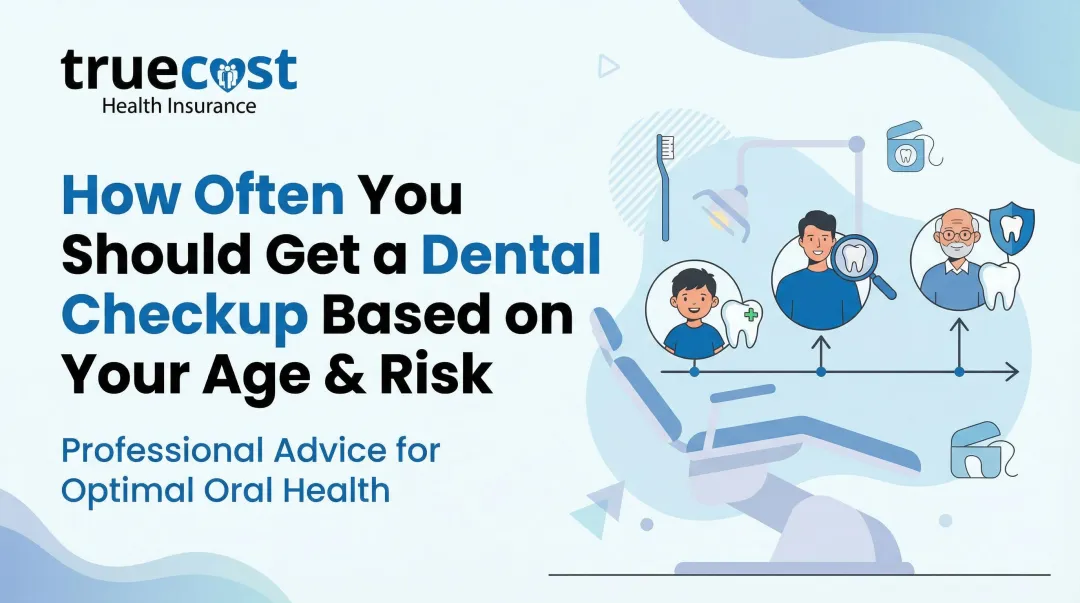
Modern clinical guidelines take a different approach. Both the CDC and ADA recommend personalized recall schedules based on individual risk assessment, not a fixed calendar date.
The Realistic Range: 3 to 24 Months
Professional guidelines suggest dental visit intervals ranging from 3 months to 24 months for adults:
- Every 3 months: High-risk patients with active gum disease, diabetes, smoking history, or frequent cavities
- Every 6 months: Standard recommendation for most adults with healthy gums and moderate oral hygiene
- Every 12 months: Low-risk adults with excellent oral health and no history of decay
- Every 24 months: Very low-risk patients who consistently maintain oral health and have no risk factors

Your dentist determines your appropriate interval after examining your teeth, gums, and medical history.
What Happens During a Routine Visit
A standard dental appointment includes:
- Clinical examination of teeth, gums, and soft tissues to detect cavities, gum disease, and abnormalities
- Professional cleaning to remove tartar (hardened plaque) that brushing can't eliminate
- Periodic X-rays to identify issues below the gum line
- Oral cancer screening to check for suspicious lesions or tissue changes
Why Twice-Yearly Visits Work
Plaque—the sticky bacterial film on teeth—hardens into tartar within 24–48 hours. Once hardened, only professional cleaning can remove it. A six-month schedule prevents significant tartar buildup between visits, reducing the risk of cavities and gum disease.
Most dental insurance plans — including those bundled with Medicare Advantage and certain ACA marketplace plans — cover two exams and cleanings per year. Knowing your expected visit frequency helps you choose a plan that actually fits how you use dental care.
How Visit Frequency Varies Based on Your Health and Lifestyle
Your dentist determines visit frequency based on your specific risk profile — not a one-size-fits-all calendar. Health conditions, lifestyle habits, and your dental history all factor into the recommendation.
Risk Factors and Medical Conditions
Certain medical conditions dramatically increase your need for frequent dental monitoring:
| Condition | Why It Increases Risk | Recommended Frequency |
|---|---|---|
| Diabetes | Diabetes raises gum disease risk 2-3x and impairs healing; gum disease worsens blood sugar control | Every 3–4 months |
| Pregnancy | Hormonal changes increase gingivitis risk, linked to preterm birth and low birth weight | Every 3–6 months |
| Sjögren's Syndrome | Dry mouth eliminates saliva's protective effect, accelerating decay | Every 3–4 months |
| Cancer Therapy | Chemotherapy and radiation cause mucositis and dry mouth; radiation risks bone damage | Every 4–8 weeks for first 6 months post-radiation |

Smoking and tobacco use follow a similar pattern. Tobacco damages gum tissue, reduces blood flow to the mouth, masks early disease symptoms, and significantly elevates oral cancer risk — putting smokers on a 3–4 month visit schedule.
Your Oral Health History
Your dental track record matters:
Many Medicare Advantage plans include dental benefits — covering cleanings, exams, and sometimes X-rays — which can make keeping up with recommended visits more affordable
Signs You Should See a Dentist Sooner Than Scheduled
Don't wait for your next appointment if you experience:
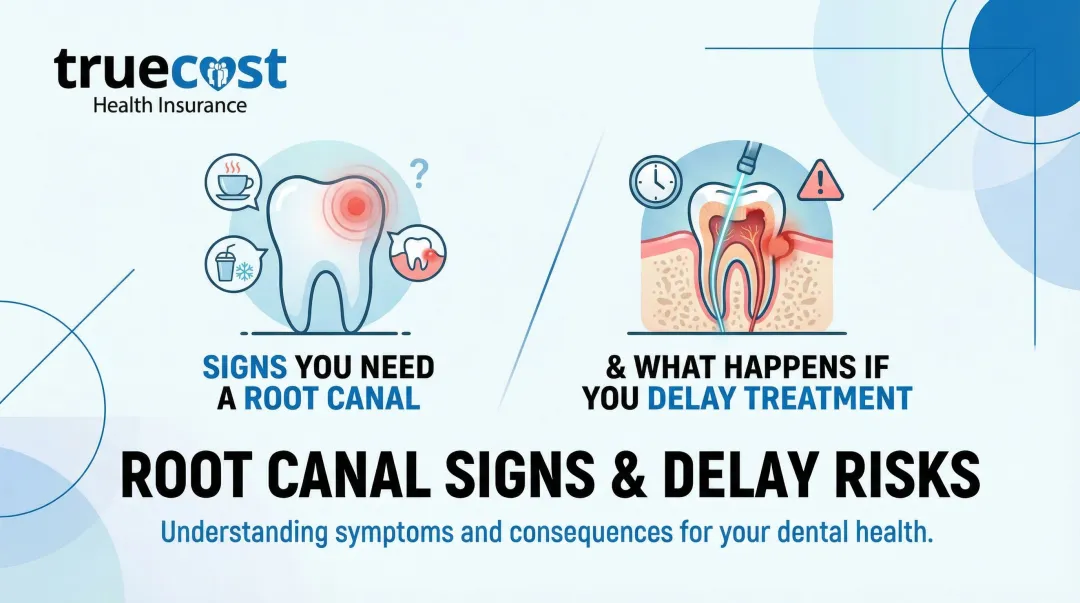
- Persistent toothache or sensitivity to hot, cold, or sweet foods
- Bleeding or swollen gums during brushing or flossing
- Loose or chipped tooth from injury or decay
- Jaw pain or difficulty chewing that doesn't resolve
- Sores or unusual patches in your mouth that don't heal within 2 weeks
The Danger of "Wait and See"
Pain is an unreliable indicator of dental health. Early-stage gum disease and oral cancer are typically painless, meaning absence of pain doesn't mean absence of disease. By the time you feel pain, the condition has often progressed significantly.
The two-week rule: Any oral sore that doesn't heal within two weeks requires immediate evaluation to rule out potential malignancy.
Lifestyle Triggers That Warrant a Check-In
Certain life changes can shift your oral health risk overnight. Schedule an appointment if you've recently:
- Started a medication that causes dry mouth
- Experienced a major health change or illness
- Become pregnant (ideally visit in the first trimester)
What Happens If You Skip Dental Visits
The Progression of Untreated Problems
Dental issues don't stay static—they worsen:
- Small cavities become large ones requiring root canals
- Minor gum inflammation progresses to periodontitis, causing bone and tooth loss
- Early-stage oral cancer becomes late-stage disease with dramatically worse outcomes
The Financial Cost of Delay
Preventive care is far cheaper than restorative treatment:
| Service Type | Procedure | Cost Range |
|---|---|---|
| Preventive | Basic cleaning and exam | $75–$200 |
| Restorative | Root canal (molar) | $800–$1,500 |
| Restorative | Dental crown (ceramic) | $800–$2,000 |

Skipping a $150 cleaning can easily lead to a $2,500 treatment down the road.
The Systemic Health Connection
Research consistently links untreated gum disease to serious conditions throughout the body:
- Periodontal disease is independently associated with atherosclerotic vascular disease, raising cardiovascular risk even after controlling for other factors
- Severe gum disease correlates with higher HbA1c levels, a direct marker of poorer blood sugar control in diabetics
- Maternal periodontitis is linked to gestational diabetes, preterm birth, and low birth weight, making gum health a prenatal concern
Oral Cancer Survival Depends on Early Detection
When oral cancer is caught early (localized), the 5-year survival rate is 88.4%. When it has metastasized (distant), that rate plummets to 36.9%. Regular dental screenings catch cancer at treatable stages.
The Insurance Barrier
That survival gap makes access to dental care a life-or-death issue — yet many Americans skip visits simply because they lack coverage or believe they can't afford it. In 2023, approximately 68.5 million adults lacked dental coverage. However, options exist:
- ACA marketplace plans: Pediatric dental coverage is required; adult dental is optional but available
- Medicare Advantage plans: Often include dental, vision, and hearing benefits (traditional Medicare does not cover routine dental)
- Licensed advisors: Companies like TrueCost Group help individuals identify ACA and Medicare Advantage plans that include dental benefits, often at $0–$50/month for qualified individuals
How to Stay on Track with Regular Dental Appointments
Practical Scheduling Strategies
- Book your next appointment before leaving the current one
- Set calendar reminders 1–2 weeks before the appointment
- Treat dental check-ups like annual physicals — non-negotiable preventive care, not optional maintenance
At-Home Habits Between Visits
Your daily routine directly influences how often you need professional care:
- Brush twice daily for 2 minutes
- Floss daily to remove plaque between teeth
- Limit sugary foods and acidic drinks
- Stay hydrated to maintain saliva flow
Consistent home care can extend the safe interval between cleanings for low-risk patients. Even so, cost barriers prevent many Americans from keeping up with professional visits at all — which is where coverage becomes critical.
The Role of Dental Coverage
Insurance directly shapes visit consistency. Among seniors, 69.6% with dental coverage visited a dentist in 2022, compared to only 56.4% without coverage.
If you're currently uninsured:
- Explore ACA marketplace plans that include dental benefits
- Check Medicare Advantage options if you're 65+ (many include comprehensive dental)
- Contact a licensed insurance advisor to identify subsidized plans — many Americans qualify for $0–$50/month premiums
TrueCost Group's licensed advisors help uninsured Americans find ACA and Medicare Advantage plans — including options starting at $0/month — so cost stops being the reason you skip the dentist.
Frequently Asked Questions
Frequently Asked Questions
How often does the average person actually go to the dentist?
In 2022, approximately 45% of the U.S. population visited a dentist — well below recommended guidelines. Among low-income adults, that figure drops to just 21.8%, reflecting how cost and coverage gaps drive avoidance.
What is the 2-2-2 rule in dentistry?
The 2-2-2 rule is a memory aid for good oral hygiene: brush for 2 minutes, twice a day, and visit the dentist 2 times per year. It's a helpful guideline for maintaining healthy habits, not a rigid clinical requirement.
How does smoking affect dental health?
Smoking damages gum tissue, reduces blood flow to the mouth, accelerates plaque buildup, causes tooth discoloration, and sharply raises oral cancer risk. Smokers are typically advised to visit the dentist every 3–4 months rather than every 6 months.
Can I go to the dentist once a year instead of twice?
Once a year works for low-risk adults with no history of cavities or gum disease. Twice yearly remains the standard because it catches problems earlier and keeps tartar buildup in check between visits.
What happens if you don't go to the dentist for years?
Plaque and tartar accumulate, cavities deepen, and gum disease advances without intervention. Oral cancer can go undetected, often resulting in more difficult and costly treatment once problems are finally addressed.
How often should children visit the dentist?
Children should have their first dental visit by age 1 or when the first tooth appears. After that, most children visit every 6 months, though a pediatric dentist may adjust frequency based on the child's cavity risk or developmental needs.