Introduction
Most of us grew up hearing the same advice: see your dentist every six months. But here's what many people don't realize—that one-size-fits-all rule isn't actually backed by evidence for everyone.
Recent research shows that your ideal dental checkup schedule depends on several personal factors, including your age, current oral health status, medical conditions, and lifestyle habits.
Many people struggle with knowing how often dental visits are truly necessary, especially when balancing healthcare costs. A healthy adult with excellent oral hygiene might only need annual visits, while someone managing diabetes or active gum disease may require checkups every three to four months.
This article breaks down age-specific and risk-based guidelines to help you determine your personalized checkup schedule—one that protects your oral health without unnecessary appointments or gaps that allow problems to develop undetected.
Key Takeaways
- Dental checkup frequency should match your individual risk profile, not a universal six-month rule
- Low-risk adults with excellent oral health can extend visits to 12 months safely
- High-risk individuals (diabetes, gum disease, smoking) need visits every 3-4 months
- Children typically need checkups every six months, while seniors face increased risks requiring consistent monitoring
- Many health insurance plans cover preventive dental care, making regular checkups affordable even for the previously uninsured
Why Dental Checkup Timing Matters
Proper timing of dental visits serves as your first line of defense against oral disease.
Regular checkups enable dentists to catch cavities, gum disease, and even oral cancer in their earliest stages—often before you experience any symptoms.
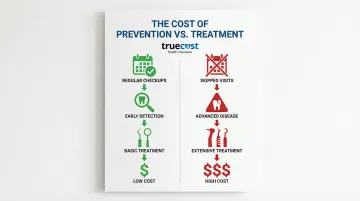
The cost difference between prevention and treatment is substantial. A routine preventive visit costs a fraction of what you'd pay for treating advanced dental disease. Consider these realities:
- Early cavities require simple fillings
- Untreated cavities lead to root canals and crowns
- Routine cleanings reverse gingivitis
- Ignored gingivitis progresses to periodontitis, requiring surgery and risking tooth loss
Research on Medicaid-enrolled adults shows those who had preventive dental visits experienced fewer emergency visits and lower overall costs.
The pattern is clear: investing in prevention saves money and preserves your natural teeth.
Beyond cost savings, early detection dramatically improves treatment outcomes. Problems identified during routine checkups are easier, less painful, and less expensive to treat than dental emergencies.
Oral cancer survival rates depend heavily on early detection through regular screenings—particularly important as risk increases significantly after age 50.
How Often You Should Get Dental Checkups Based on Age
Your dental needs evolve throughout your lifetime, requiring different monitoring strategies at different life stages.
Infants and Toddlers (0-3 Years)
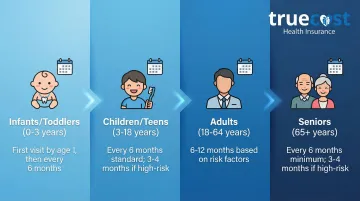
Recommended frequency: First visit by age 1 or when the first tooth erupts, then every 6 months
The American Academy of Pediatric Dentistry recommends the first dental visit occur within six months of the eruption of the first primary tooth and no later than 12 months of age.
This early start matters more than most parents realize.
Why so early? These initial visits:
- Establish a "dental home" for ongoing care
- Allow risk assessment before problems develop
- Teach parents proper oral hygiene techniques for infants
- Detect developmental issues early
Research shows that delaying the first visit increases caries risk—odds of having cavities at the first visit increase by a factor of 2.1 for every year of delay. Starting early sets the foundation for lifelong oral health.
Children and Teens (3-18 Years)
Recommended frequency: Every 6 months as standard; every 3-4 months for high-risk children
The childhood and adolescent years represent a high-risk period for cavities. Among youth aged 2-19 years, 45.8% have experienced dental caries, with 13.0% having untreated cavities. Regular monitoring during these formative years is essential.
Most children should maintain six-month checkups. However, certain situations warrant more frequent visits:
- Children with braces or other orthodontic appliances
- Those with a history of frequent cavities
- Kids with poor oral hygiene habits despite parental guidance
- Children with special healthcare needs
For high-risk children, quarterly visits (every 3 months) allow for more frequent fluoride applications and closer monitoring of developing problems.
Adults (18-64 Years)
Recommended frequency: 6-12 months depending on risk factors
Here's where personalization becomes most important. High-certainty evidence shows little to no difference in oral health outcomes between 6-month and 12-month recall intervals for healthy, low-risk adults.
For low-risk adults with excellent oral hygiene, no cavities in the past three years, and no systemic health issues, annual checkups may be sufficient. Your dentist can confirm whether you qualify for this extended interval.
For adults with risk factors—which we'll explore in detail in the next section—maintaining six-month or more frequent visits remains important to prevent disease progression.
Seniors (65+ Years)
Recommended frequency: Every 6 months minimum; every 3-4 months if high-risk
Older adults face distinct oral health challenges that make consistent monitoring essential. Approximately 68% of adults aged 65 and older have periodontitis, and oral cancer risk increases significantly with age.
Additional concerns for seniors include:
- Dry mouth from medications (which accelerates decay)
- Recession of gums exposing tooth roots
- Complications from chronic conditions like diabetes
- Cognitive decline affecting oral hygiene consistency
Despite these elevated risks, approximately 47% of Medicare beneficiaries did not have a dental visit in the past year—often because traditional Medicare doesn't cover routine dental care.
Many Medicare Advantage plans now include dental coverage for preventive checkups. If you're approaching 65 or already enrolled in Medicare, TrueCost Group can help you find Medicare Advantage plans from major carriers like Humana, UnitedHealthcare, Aetna, and WellCare that include dental benefits.
How Often You Should Get Dental Checkups Based on Risk Factors
Beyond age, specific health conditions and lifestyle factors significantly influence how often you need dental monitoring.
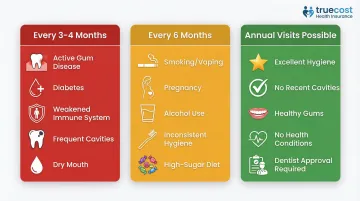
High-Risk Conditions Requiring 3-4 Month Checkups
If you have any of these conditions, quarterly dental visits help prevent rapid disease progression:
Active gum disease (periodontitis): Periodontal maintenance every 3-4 months is necessary to disrupt biofilm and monitor pocket depths after diagnosis with moderate to severe gum disease.
Diabetes: Adults with diabetes face 2.5 times higher risk of periodontitis and nearly double the risk of tooth loss. Uncontrolled gum disease worsens blood sugar control, creating a harmful cycle.
Weakened immune system: Whether from HIV/AIDS, cancer treatment, or immunosuppressive medications, compromised immunity increases infection risk and slows healing.
History of frequent cavities: Multiple cavities in recent years indicate elevated risk for new decay, requiring closer monitoring.
Dry mouth (xerostomia): Medications, radiation therapy, or certain conditions reduce protective saliva flow, significantly increasing cavity risk.
Moderate-Risk Factors Requiring 6-Month Checkups
These factors accelerate plaque buildup and disease progression, making biannual visits important:
- Smoking or vaping: Tobacco use is a major risk factor for gum disease progression and oral cancer
- Pregnancy: Hormonal changes increase gingivitis risk, and periodontal disease is associated with adverse pregnancy outcomes
- Heavy alcohol consumption: Increases oral cancer risk and often accompanies poor oral hygiene
- Inconsistent oral hygiene: Difficulty maintaining twice-daily brushing or regular flossing
- High-sugar diet: Frequent consumption of sugary foods and beverages feeds cavity-causing bacteria
Low-Risk Individuals Who May Extend to Annual Visits
For those with excellent oral health habits and no concerning history, annual visits may suffice. You may qualify for 12-month intervals when meeting all these criteria:
- Excellent oral hygiene habits (brush twice daily, floss daily)
- No cavities in the past 3+ years
- Healthy gums with no bleeding or inflammation
- No systemic health conditions affecting oral health
- Non-smoker
- Dentist assessment confirms low-risk status
Important: Only your dentist can confirm you're truly low-risk. Don't self-diagnose and extend your intervals without professional guidance.
Special Circumstances
Beyond standard risk categories, some dental situations demand tailored monitoring schedules:
- Orthodontic treatment: More frequent visits monitor tooth movement and hygiene around brackets
- Dental implants or extensive restorations: Regular monitoring ensures long-term success
- Cancer patients: Chemotherapy and radiation affect oral tissues; oncology patients need coordinated dental care before, during, and after treatment
Signs You Need to See Your Dentist Sooner Than Scheduled
Regular checkups are essential, but certain symptoms signal the need for immediate dental attention. Catching problems early prevents complications and reduces treatment costs—especially important if you're navigating dental coverage options.
Don't wait for your next scheduled appointment if you notice:
Immediate red flags:
- Persistent tooth pain or throbbing
- Bleeding gums, especially when not brushing
- Swollen, tender, or red gums
- Loose teeth or teeth that feel different when biting
- Jaw pain, clicking, or difficulty opening your mouth
These symptoms often indicate active infections or structural damage requiring prompt treatment.
Other concerning symptoms:
- Bad breath that persists despite regular brushing
- Increased sensitivity to hot, cold, or sweet foods
- Visible holes, pits, or dark spots on teeth
- Receding gums or teeth appearing longer
- Sores or white/red patches in your mouth that don't heal within two weeks
These warning signs indicate problems that worsen with time. Delaying care can turn a simple filling into a root canal or extraction.
If cost concerns keep you from scheduling emergency visits, know that many ACA marketplace and Medicare Advantage plans include dental benefits. TrueCost Group helps connect qualified Americans with comprehensive coverage options—including dental, vision, and hearing benefits—often at $0-$50/month for those who qualify.
What Happens If You Skip Regular Dental Checkups
The most dangerous aspect of dental disease is that early stages are often painless and invisible without professional examination. By the time you notice symptoms, the problem has typically advanced significantly.
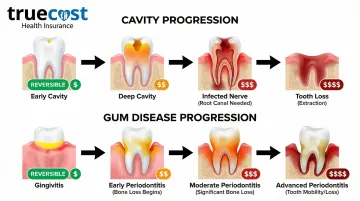
Disease progression follows a predictable pattern:
Cavities: A small cavity detected during a routine checkup requires a simple filling. Left undetected, that cavity grows deeper, eventually reaching the tooth's nerve.
At that point, you need a root canal and crown—a procedure costing 10-15 times more than a filling. If still ignored, the tooth may require extraction and replacement with an implant or bridge.
Gingivitis (early gum disease) causes no pain and is completely reversible with professional cleaning and improved home care. Without treatment, it progresses to periodontitis, where bone supporting your teeth is permanently destroyed.
Advanced periodontitis requires specialized treatment and can lead to tooth loss.
The Financial Impact of Delayed Care
The cost difference is dramatic. While specific prices vary by region, the pattern is universal: preventive care costs a fraction of restorative treatment. A routine cleaning and exam might cost $75-$200, while treating advanced periodontal disease can run into thousands of dollars.
For children, early preventive visits are associated with lower overall dental costs compared to those whose first visit occurs later. The same principle applies throughout life—prevention is always less expensive than treatment.
How to Optimize Your Dental Checkup Schedule
Creating and maintaining your personalized dental schedule requires a strategic approach:
Discuss your individual risk profile with your dentist. Be honest about your oral hygiene habits, medical conditions, medications, and lifestyle factors. Your dentist can then recommend the optimal frequency based on examination and your specific circumstances.
Leverage your dental insurance benefits strategically. Most dental insurance plans cover two preventive visits annually at 100% with no out-of-pocket cost. If you're not using these benefits, you're missing out on coverage you're already paying for.
Many Americans don't realize that affordable health insurance plans often include dental coverage. If you're shopping for health insurance, ACA marketplace plans include pediatric dental coverage as an essential health benefit, and some plans offer adult dental benefits as well.
TrueCost Group helps Americans find comprehensive health plans starting at $0-$50/month for qualified individuals. Many Medicare Advantage plans from carriers like Humana, UnitedHealthcare, Aetna, and WellCare include dental, vision, and hearing coverage. Their licensed advisors can help you identify plans that include preventive dental benefits—call 1-888-788-8285 for personalized guidance.
Create systems to maintain consistency:
- Book your next appointment before leaving your current visit
- Set recurring calendar reminders for six months (or your personalized interval)
- Consider scheduling appointments on the same day/time (e.g., first Monday in January and July)
- If cost is a barrier, ask about payment plans or look into dental savings plans
Frequently Asked Questions
Do I really need to see the dentist every 6 months?
Six months works for most people, but it's not universal. Low-risk adults may extend to annual visits, while high-risk individuals need checkups every 3-4 months based on their dentist's assessment.
How often should children see the dentist?
Children should visit by age 1 or when their first tooth erupts, then every 6 months. Those with high cavity rates, braces, or poor hygiene may need visits every 3-4 months.
What if I haven't been to the dentist in years?
Schedule an appointment soon—dentists see this regularly and won't judge. They'll assess your oral health, address immediate problems, and create a plan. Early return to care improves outcomes and reduces long-term costs.
Does dental insurance cover preventive checkups?
Most plans cover two preventive visits per year (exams and cleanings) at 100% with no deductible, typically including routine X-rays. Check your specific plan as coverage varies.
How often should I get dental X-rays?
Low-risk adults need bitewing X-rays every 1-2 years, while high-risk patients need them annually. Children and those with active problems may need more frequent imaging based on their dentist's assessment.
Can I go to the dentist less often if I have good oral health?
Possibly, but only with your dentist's approval. If you're truly low-risk—no cavities in 3+ years, excellent oral hygiene, healthy gums, no systemic health issues—your dentist may agree that annual visits are sufficient. Don't self-diagnose your risk level; professional assessment is essential.