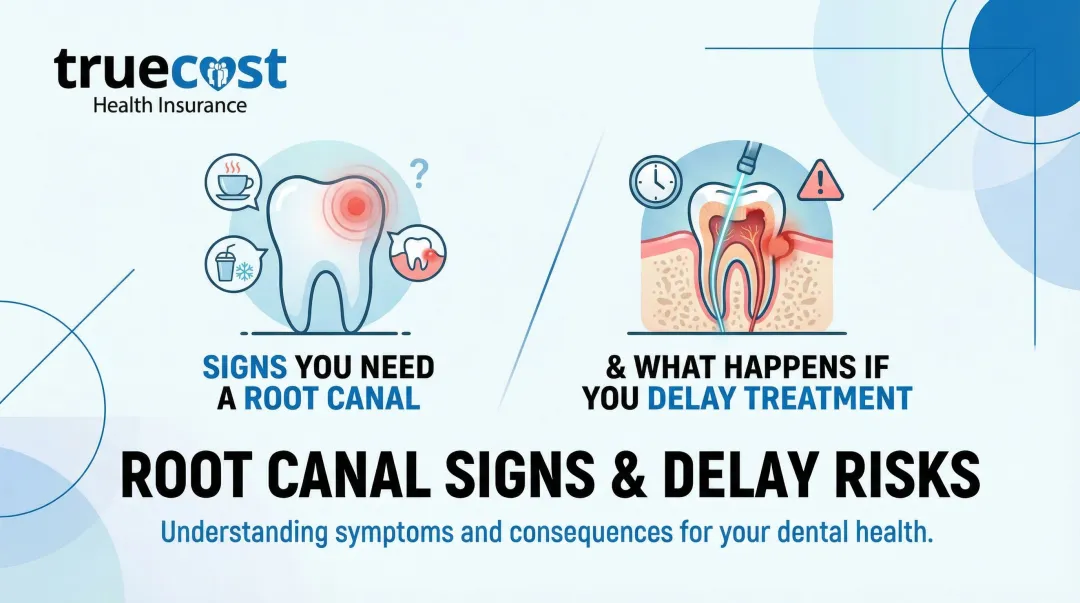

Introduction: Preparing for a Root Canal Doesn't Have to Be Stressful
Root canals carry a fearsome reputation, but here's the truth: modern procedures are far less painful than most people imagine. Anxiety before a root canal is completely normal—you're not alone if the thought makes you nervous. The good news? Proper preparation transforms this experience from something you dread into a manageable, routine dental procedure.
Today's root canal treatment uses advanced anesthesia and technology that make the procedure comparable to getting a filling. Over 15 million root canals are performed annually in the United States, and the vast majority of patients report minimal discomfort during and after the procedure.
Knowing what to expect—and how to prepare—makes all the difference. This guide covers the essential preparation steps: verifying your insurance coverage and costs upfront, understanding the procedure timeline, managing pre-appointment anxiety, what to avoid beforehand, and setting yourself up for comfortable recovery.
TLDR: Quick Guide to Root Canal Preparation
- Expect minimal discomfort during the procedure thanks to local anesthesia—proper preparation reduces anxiety and ensures smoother treatment
- Eat a filling meal 2-3 hours before your appointment to avoid hunger during the 3-4 hour numbness period afterward
- Get 7-9 hours of sleep the night before to reduce pain sensitivity and anxiety
- Confirm procedure details, recovery timeline, and out-of-pocket costs with your dentist beforehand to eliminate financial surprises
- Skip alcohol, tobacco, and over-the-counter painkillers (unless dentist-approved) for 24 hours before treatment to prevent complications
Understanding Root Canals: What to Expect During the Procedure
Why Root Canals Are Necessary
Root canals treat infections in your tooth's pulp—the innermost layer containing nerves and blood vessels. These infections develop from:
- Deep tooth decay that allows bacteria to penetrate
- Cracks or chips in the tooth structure
- Direct injury to the tooth
Ignoring an infected tooth creates serious problems. The pulp tissue dies (necrosis), becoming a reservoir for infection that spreads to surrounding areas. Without treatment, you risk:
- Severe, persistent pain
- Abscesses (pus-filled pockets) and facial swelling
- Bone loss in the jaw
- Eventual tooth loss requiring extraction
The procedure saves your natural tooth. This is almost always preferable to extraction and replacement with implants or bridges.
The Root Canal Procedure Step-by-Step
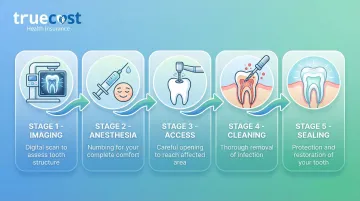
Knowing what to expect makes the experience less stressful. Here's the process:
- Imaging: X-rays map your tooth's internal structure
- Anesthesia: Local anesthetic numbs the tooth and surrounding tissue completely
- Access: Your dentist creates a small opening to reach the pulp chamber
- Cleaning: Infected tissue is removed, and canals are thoroughly cleaned and disinfected
- Sealing: The cleaned space is filled with specialized material and sealed to prevent reinfection
Pain during the procedure: You'll feel pressure and movement, but no pain. Modern local anesthesia is highly effective, with research showing postoperative pain averages just 1.13 on a 10-point scale.
Some practices use the GentleWave system, which employs advanced fluid dynamics and acoustic energy for more thorough cleaning. Clinical studies show 97.3% success rates with this technology, often completing treatment in a single visit.
How Long Does a Root Canal Take?
Most root canals take 60-90 minutes for a single visit. The duration depends on:
- Tooth location: Front teeth are simpler and faster than molars
- Canal complexity: Molars have multiple canals and intricate anatomy
- Infection severity: Active abscesses may require additional time
While some complex cases need two appointments, modern techniques have made single-visit treatment increasingly common.
Endodontist vs. General Dentist: Why Specialization Matters
Endodontists complete 2-3 additional years of specialized training focused exclusively on treating tooth pulp and performing root canals. This specialized experience leads to better outcomes.
Volume makes a difference: Endodontists perform approximately 25 root canals weekly compared to two by general dentists. This experience means endodontists are more proficient with:
- Advanced magnification equipment
- Specialized irrigation techniques
- Complex anatomy navigation
- Difficult case management
For straightforward cases, general dentists deliver excellent results. For complex situations—calcified canals, unusual anatomy, or retreatment—endodontists offer specialized expertise.

Debunking the Pain Myth
The reputation of root canals being excruciating comes from outdated procedures performed decades ago before modern anesthesia and techniques existed. Today's root canals are designed to relieve pain, not cause it.
Most patients experience only mild sensitivity after treatment—comparable to having a filling placed. Post-procedure discomfort is manageable with over-the-counter medication and typically resolves within a few days.
What to Do Before Your Root Canal Appointment
Schedule Your Appointment Promptly
Don't delay treatment. Bacteria continue damaging your tooth and surrounding bone until the procedure is completed. Postponing increases:
- Pain intensity and frequency
- Risk of abscess formation
- Extent of bone loss
- Likelihood of tooth loss
- Treatment complexity and cost
Studies show 91-97% success rates for timely root canal treatment. The sooner you address the infection, the better your outcome.
Ask Your Dentist All Your Questions
Write down questions before your appointment. Understanding the process gives you control and reduces anxiety. Consider asking:
- What type of anesthesia will you use?
- How many appointments will I need?
- What should I expect during recovery?
- Will I need a crown afterward, and when?
- What are signs of complications I should watch for?
Your dental team expects questions—asking shows you're engaged in your care.
Verify Your Insurance Coverage and Understand Costs
Contact your insurance provider to confirm:
- What portion of the root canal is covered
- Your out-of-pocket costs
- Whether pre-authorization is required
- Coverage for follow-up procedures like crowns
Many dental offices offer payment plans or financing for patients with high deductibles or no coverage. Root canal costs typically range from $700-$1,500 depending on tooth location and complexity, with insurance often covering 50-80%.
Comprehensive health insurance provides financial peace of mind for unexpected dental and medical procedures.
If you're uninsured or underinsured, resources like TrueCost Group help Americans find affordable ACA marketplace plans and Medicare Advantage options—many with $0-$50 monthly premiums for qualified individuals. Call 1-888-788-8285 to speak with licensed advisors about coverage options.
Eat a Nutritious Meal 2-3 Hours Before Your Appointment
Local anesthesia numbs your mouth for several hours after the procedure, making eating difficult and potentially dangerous (you could bite your tongue or cheeks without feeling it).
Eat a balanced, satisfying meal that will sustain you for 4-6 hours. Avoid foods that are too heavy or might upset your stomach. Good options include:
- Oatmeal with fruit
- Scrambled eggs and toast
- Hearty soup with crackers
- Protein smoothie
- Pasta with vegetables
If you're receiving sedation beyond local anesthesia, you may need to fast for 6-8 hours beforehand. Confirm fasting requirements with your dentist.
Get a Full Night's Sleep Before the Procedure
Adequate rest helps your body handle stress better. Sleep deprivation and anxiety compound each other, significantly increasing pain perception during dental procedures.
Quality sleep also allows anesthesia to work more effectively. Aim for 7-9 hours the night before your appointment.
If anxiety keeps you awake, try:
- Avoiding caffeine after 2 PM
- Practicing deep breathing exercises
- Listening to calming music or meditation apps
- Keeping your bedroom cool and dark

Practice Good Oral Hygiene Before You Go
Brush and floss thoroughly before your appointment. This removes food particles and bacteria that could contaminate the treatment area during the procedure.
Clean teeth also help your dentist work more efficiently, potentially shortening your appointment time.
What NOT to Do Before Your Root Canal
Don't Panic or Let Fear Keep You from Treatment
Anxiety is normal, but modern root canals are routine procedures that save teeth and relieve existing pain. The procedure itself is painless thanks to effective anesthesia.
Manage anxiety with these techniques:
- Practice deep breathing: Inhale for 4 counts, hold for 4, exhale for 6
- Listen to calming music or podcasts in the waiting room
- Bring headphones to your appointment for distraction
- Ask about sedation options if you experience extreme dental anxiety
Keep in mind that delaying treatment only allows the infection to worsen, creating more pain and potentially more extensive procedures later.
Don't Consume Alcohol or Use Tobacco Products
Alcohol dehydrates your body and can interfere with anesthesia effectiveness, potentially requiring higher doses. It also increases bleeding and swelling.
Avoid alcohol for at least 24 hours before and after your procedure.
Smoking restricts blood flow, slows healing, and increases infection risk. Tobacco use significantly delays wound healing and increases postoperative complications.
Avoid smoking for at least 24 hours before—ideally 3 days before and after—your root canal.
Don't Take Painkillers Without Consulting Your Dentist First
Some over-the-counter medications can cause problems:
- Aspirin thins blood and can increase bleeding during the procedure
- Ibuprofen and naproxen may also affect bleeding, though dentists often recommend them
Your dentist may actually recommend taking ibuprofen 2-4 hours before your appointment to reduce inflammation. Always follow their specific instructions rather than self-medicating.
Never take painkillers to mask symptoms before diagnosis—this can interfere with your dentist's ability to assess the problem's full extent.
Don't Schedule Important Activities Immediately After
Keep your schedule clear for the rest of the day. While most people feel fine after a root canal, some experience:
- Lingering numbness (typically 2-4 hours)
- Mild discomfort as anesthesia wears off
- Fatigue from the stress of the appointment
Talking may be difficult until numbness wears off, which could interfere with work meetings or social commitments. Give yourself flexibility to rest if needed.
Day-of-Appointment Checklist: What to Bring and Expect
Practical Items to Bring
Essential items:
- Insurance card and photo ID
- Payment method for copays or deductibles
- Confirmation of insurance coverage for endodontic treatment
- List of current medications (including supplements)
- Written questions for your dentist
Bring comfort items to ease anxiety:
- Headphones and music player for distraction during the procedure
- Small comfort item if it helps with anxiety
- Light jacket (dental offices can be cool)
What to wear:
- Comfortable, loose-fitting clothing
- Avoid turtlenecks or restrictive collars
- Skip necklaces that might interfere with X-ray equipment
Arrange Transportation if Needed
If you're receiving only local anesthesia, you can safely drive yourself home. The numbing medication won't affect your ability to drive.
You'll need someone to drive you home if your procedure involves:
- Oral sedation
- Nitrous oxide (laughing gas) combined with other sedatives
- IV sedation
Sedation affects coordination and alertness for several hours. Patients receiving sedation should not drive for the rest of the day.
Arrive Early and Stay Calm
Arrive 10-15 minutes early to:
- Complete any necessary paperwork
- Use the restroom
- Settle in without feeling rushed
While waiting, use these calming techniques:
- Take slow, deep breaths
- Listen to calming music
- Practice progressive muscle relaxation (tense and release muscle groups)
- Remind yourself that the procedure relieves pain rather than causing it
Preparing for Recovery: What Happens After Your Root Canal
Stock Up on Soft, Easy-to-Eat Foods
Have these recovery-friendly foods at home before your appointment:
- Yogurt and pudding
- Applesauce and mashed bananas
- Mashed potatoes and sweet potatoes
- Smoothies and protein shakes
- Soup (lukewarm, not hot)
- Scrambled eggs
- Oatmeal
- Ice cream and sorbet
Avoid for the first few days:
- Hard, crunchy foods (nuts, chips, raw vegetables)
- Chewy foods (bagels, tough meats, gum)
- Very hot foods and beverages
- Sticky foods (caramel, taffy)
Don't chew on the treated tooth until a permanent crown is placed if your dentist recommends one.
Prepare Your Recovery Space at Home
Set up a comfortable area with:
- Plenty of pillows for elevation (reduces swelling)
- Blankets for warmth
- Entertainment (books, TV, movies, tablet)
- Easy access to water and medications
- Cold compresses or ice packs ready in the freezer
Before your appointment ends, ask your dentist about approved pain relievers. Have them ready at home so you can take them before the anesthesia fully wears off.
Understand the Recovery Timeline and Follow-Up Care
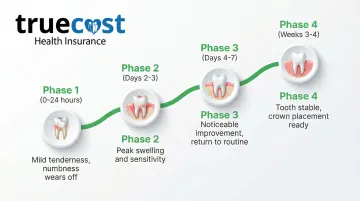
Typical recovery progression:
- First 24 hours: Mild to moderate tenderness; numbness wears off in 2-4 hours
- Days 2-3: Swelling and sensitivity often peak during this window
- Days 4-7: Noticeable improvement; most people return to normal routines
- Weeks 3-4: Tooth should feel stable; permanent crown typically placed
Attend all follow-up appointments to ensure proper healing and complete any necessary work like crown placement.
While most recoveries proceed smoothly, watch for signs that require immediate attention.
Contact your dentist immediately if you experience:
- Severe pain or pressure lasting more than a few days
- Swelling that worsens after 2-3 days or appears inside/outside your mouth
- Signs of infection (fever, increasing pain, pus)
- Allergic reaction to medication (rash, hives, difficulty breathing)
- Loss of temporary filling or uneven bite
Frequently Asked Questions
What should I do to prep for a root canal?
Eat a nutritious meal 2-3 hours before your appointment, get 7-9 hours of sleep the night before, and brush your teeth thoroughly. Avoid alcohol and tobacco for 24 hours, verify your insurance coverage, and arrange transportation if you'll be using sedation.
Can a root canal cause nausea?
Nausea is uncommon but can result from anxiety, swallowing blood during the procedure, or sedation reactions. Tell your dentist immediately if you feel nauseated.
How long does a root canal procedure take?
Most root canals take 60-90 minutes for a single visit. Complex cases may take longer or require a second appointment.
Will I be able to drive after my root canal?
Yes, if you receive only local anesthesia. However, if you opt for any form of sedation, you must arrange for someone else to drive you home.
How much does a root canal typically cost?
Root canals generally cost $700-$1,500 depending on tooth location and complexity. Many dental plans cover 50-80% of the cost—check with your insurance provider or a licensed advisor to verify your specific coverage.
What should I eat after a root canal?
Stick to soft, cool, or room-temperature foods for the first few days: yogurt, smoothies, mashed potatoes, and lukewarm soup. Avoid hard, crunchy, sticky, or very hot foods until healing progresses.